Fiber quality
Maintaining fibre strength and quality while targeting lower energy intensity and moderated chemical usage—with trials tied to measurable sheet properties.
QUALITY OVER EVERYTHING

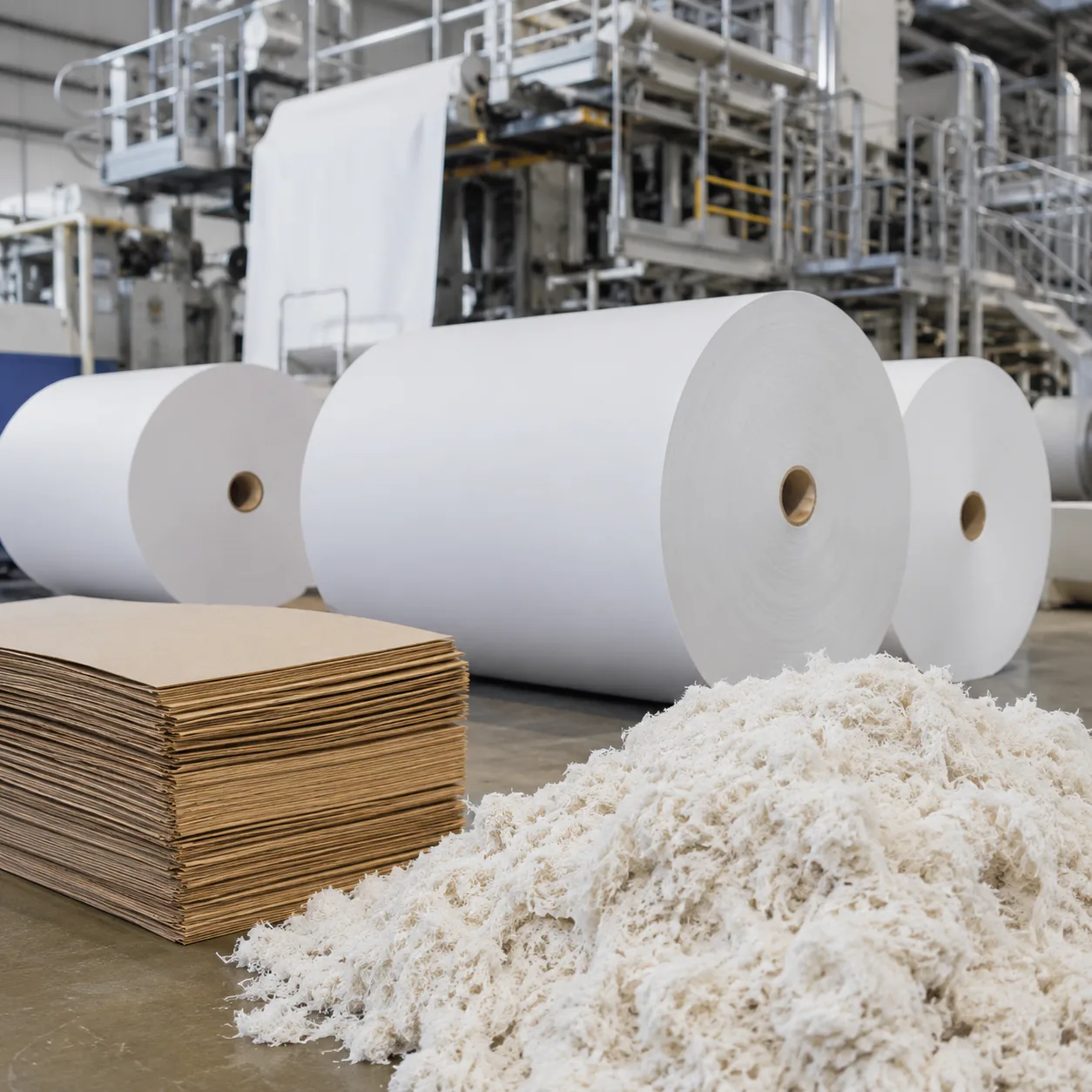
Transformation of fibre and surface properties of cellulose to enhance efficiency—moderating chemistry, energy and deposition risk when mill data agrees.
Our enzymes offer sustainable routes for pulp and paper producers—improving process efficiency, reducing chemical extremes where validated and enhancing final product quality from deinking through bleaching and pitch control.
Overview
Antozyme is a biotechnology partner delivering enzyme solutions engineered for pulp and paper manufacturing—helping you improve efficiency, lift quality and pursue credible sustainability by moderating chemistry, energy and environmental extremes when trials substantiate savings.
We specialise in enzyme technologies for fibre modification, bio-bleaching adjacency, stickies discipline and refining intelligence—production paths that prioritise brighter, stronger sheets alongside greener operating narratives audited with real dashboards.
Innovation and stewardship drive every programme—we empower mills to pursue operational excellence and meet tightening global environmental standards without greenwash rhetoric.
Industry pressures
Prioritising the issues enzyme programmes can realistically influence—paired with KPI baselines mills already trust.
Maintaining fibre strength and quality while targeting lower energy intensity and moderated chemical usage—with trials tied to measurable sheet properties.
Shrinking the mill footprint through smarter chemistry choreography, clearer effluent narratives and biodegradable biocatalyst options where KPIs permit.
Improving uptime, throughput and cost position when enzymes align with refining, bleach or drainage realities your instrumentation can defend.
Supporting brightness, strength, formation and printability targets without trading off runnability or customer release criteria.
Operational outcomes enzyme routes can illuminate
Portfolio
Four enzyme families distilled from Antozyme mill dialogues—from starch and fibrillation through bleaching adjacency and pitch control—with technical depth available on each product route.
Selected solution
Super concentrated α-amylase is engineered for pulp and paper mills that need efficient starch hydrolysis. Breaking starch into simpler sugars supports coating and sizing hygiene, drainage-friendly formation and more sustainable chemistry posture when trials prove the trade-offs.
Applications

Key benefits
Where enzymes earn their keep
Enzymes support ink and contaminant release from recycled fibres while protecting brightness and yield narratives your customers expect.
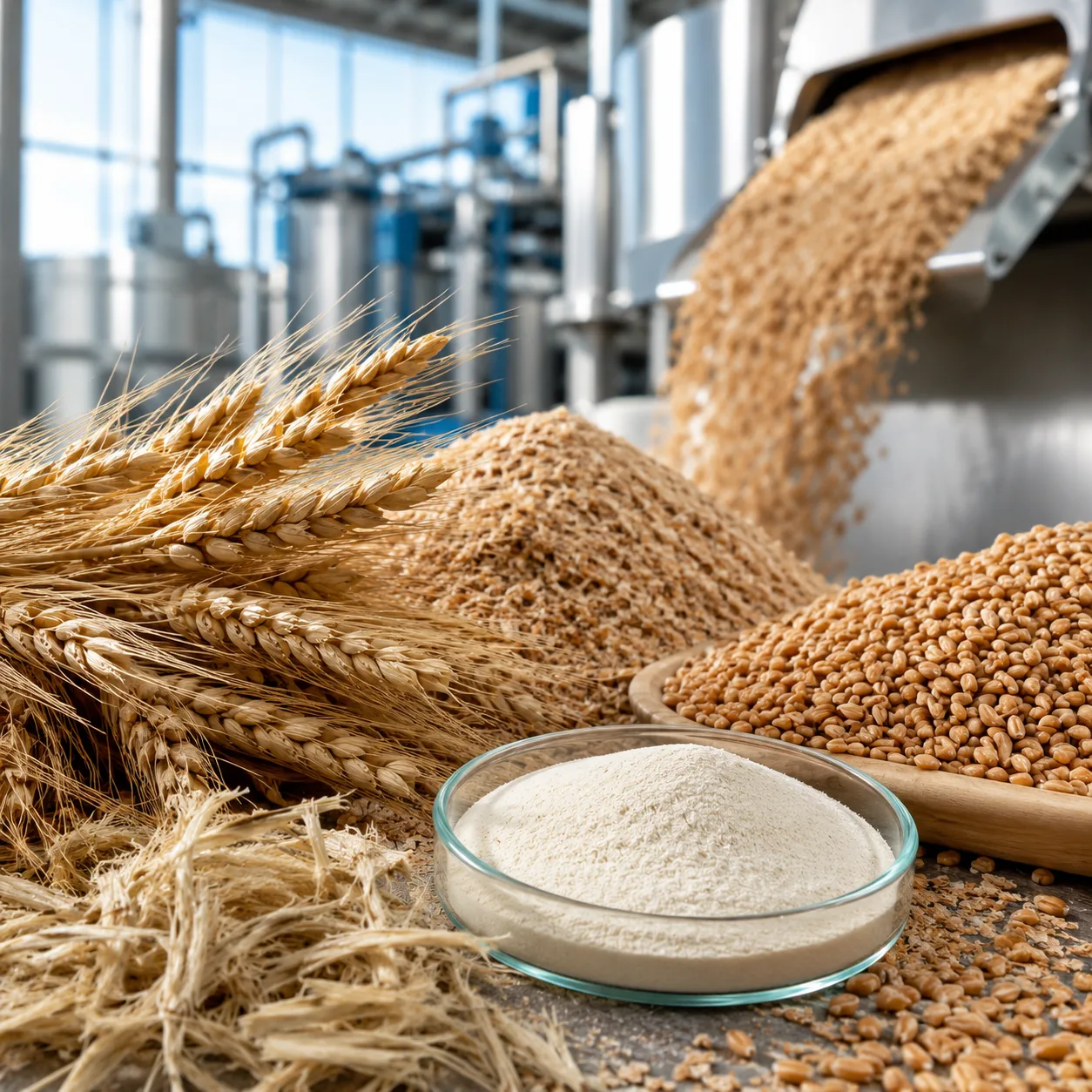
Cellulose and xylan-targeted assists can tune refining SEC, bleach chemical demand and drainage—provided conductivity, corrosion and tower physics stay in scope.
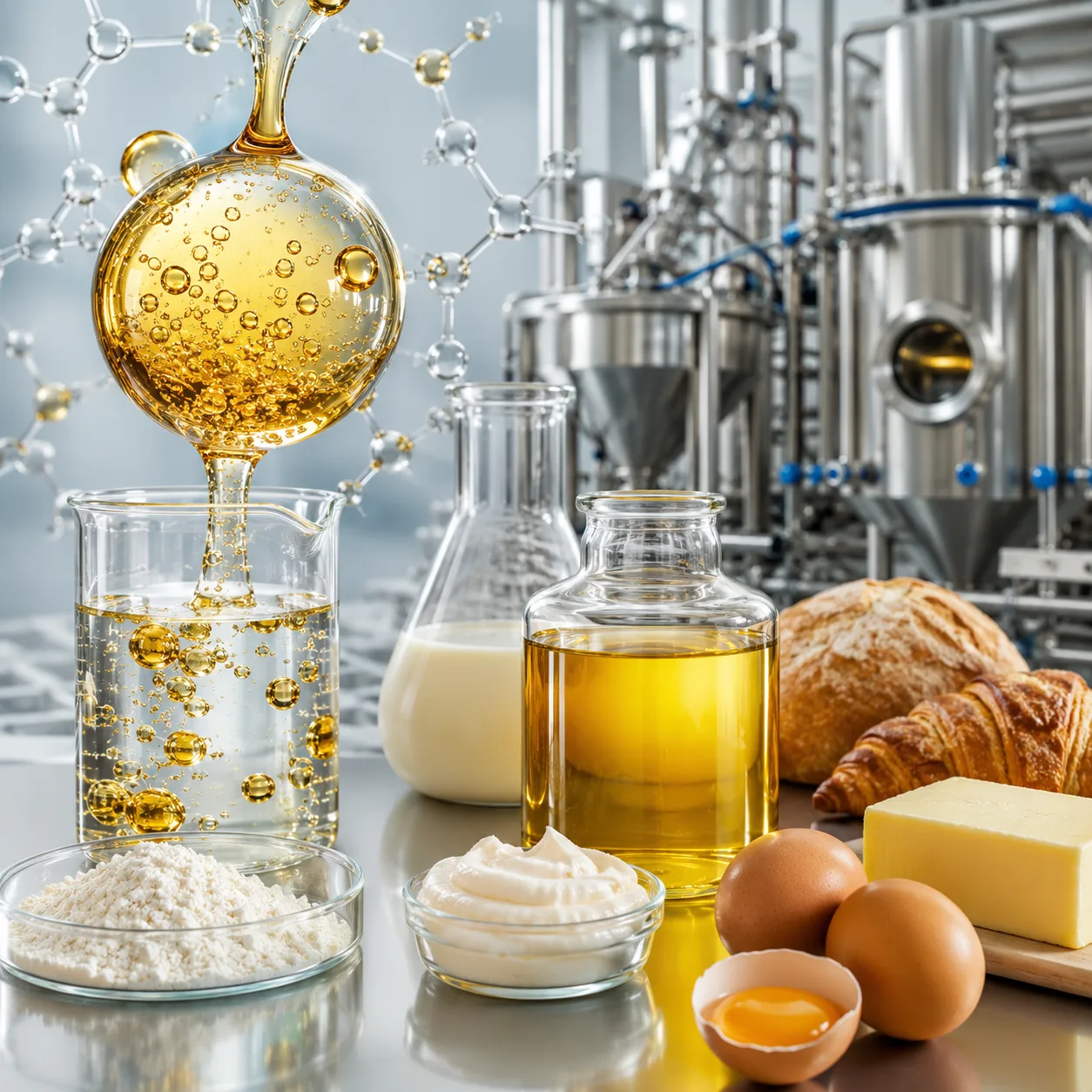
Lipase routes target lipid-derived tack that fouls wires, felts and dryers—supporting smooth speed and housekeeping when resin telemetry justifies dosing.
Science translated
| Application area | Benefits |
|---|---|
| Deinking | Improved ink removal, higher brightness potential and moderated chemical ladders when furnish analytics align. |
| Refining | Targeted refining energy relief, disciplined fibre conditioning and drainage improvements under honest SEC tracking. |
| Bleaching | Chlorine and caustic moderation conversations grounded in conductivity limits, brightness targets and QA release. |
| Machine runnability | Fewer deposition episodes, smoother drainage narratives and achievable speed windows when KPI baselines precede dosing. |
| Product quality | Brightness, tensile and printability storylines tethered to customer specifications—not speculative marketing deltas. |
Workflow
Characterising mixes, starch crossover and seasonal drift before any enzyme SKU is locked.
Breaking down fibres and aligning bleach sequences with conductivity, corrosion and environmental paperwork.
Conditioning pulp ahead of formation—blend chest discipline, refining targets and cleanliness budgets.
Sheet formation, presses, dryers and coatings—maintaining KPIs alongside drainage and deposition vigilance.
Leverage fermentation depth and pulp-mill fluent applications engineers to innovate responsibly—balancing brightness, chemistry and environmental disclosures.
FAQ
Practical answers for furnish managers, bleach engineers and mill directors evaluating enzyme assists.
Enzymes can target specific substrates—starch, hemicellulose, cellulose fibrils or lipids—often moderating harsh chemistry, improving drainage or brightness and supporting cleaner machine clothing cycles. Value always depends on furnish characterisation, corrosion limits and instrumentation that proves the delta.
Explore further
Navigate adjacent application hubs with the same disciplined technical onboarding.
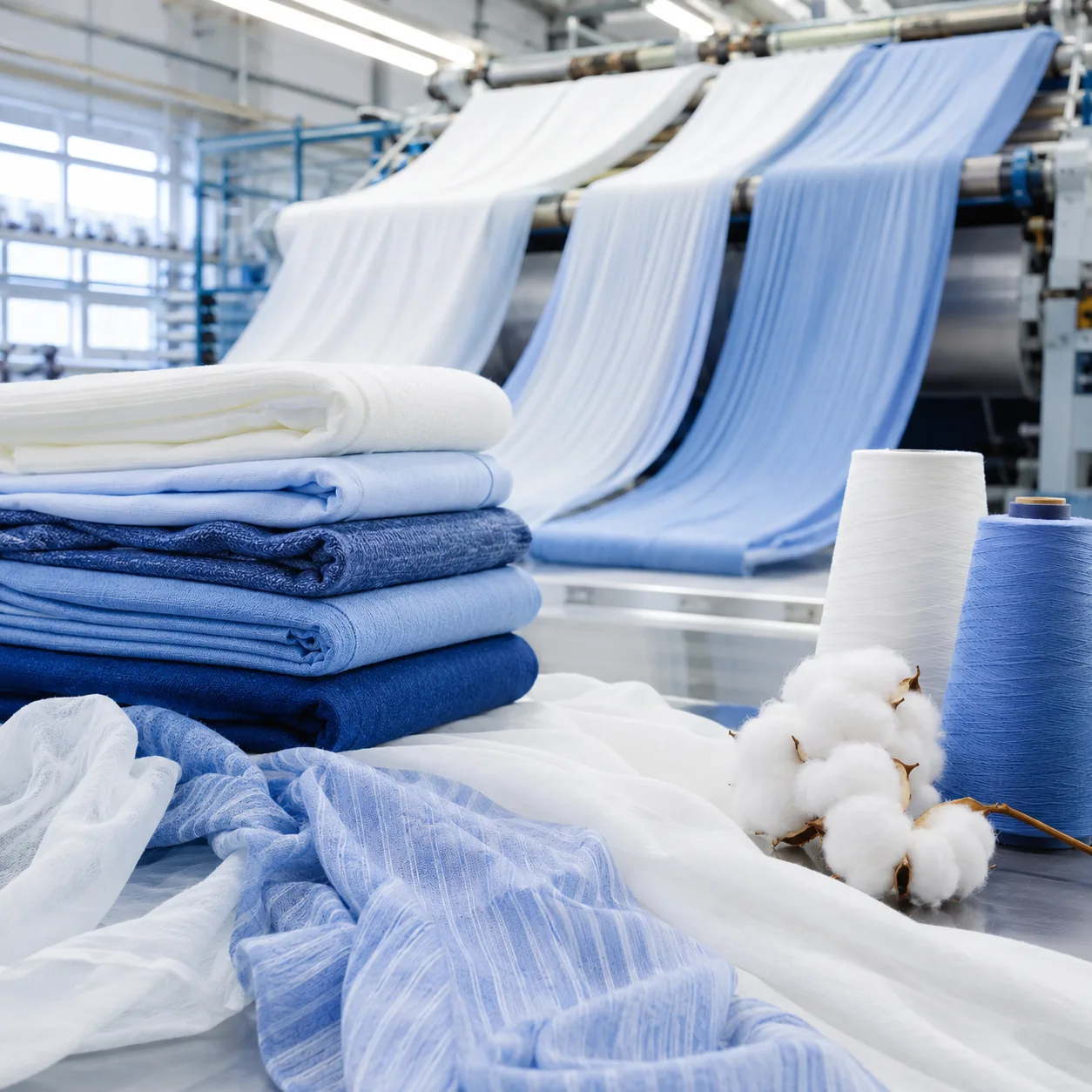
High-performance desizing, bio-polishing and peroxide-management biocatalysts—liquid, powder and granule formats—for mills prioritising fabric quality, throughput and responsible wet processing.
View detail
α-Amylase, dextranase and invertase portfolios—plus glucoamylase depth—for starch-aware juice handling, contaminant dextran relief and specialty invert syrups with documented factory KPIs.
View detail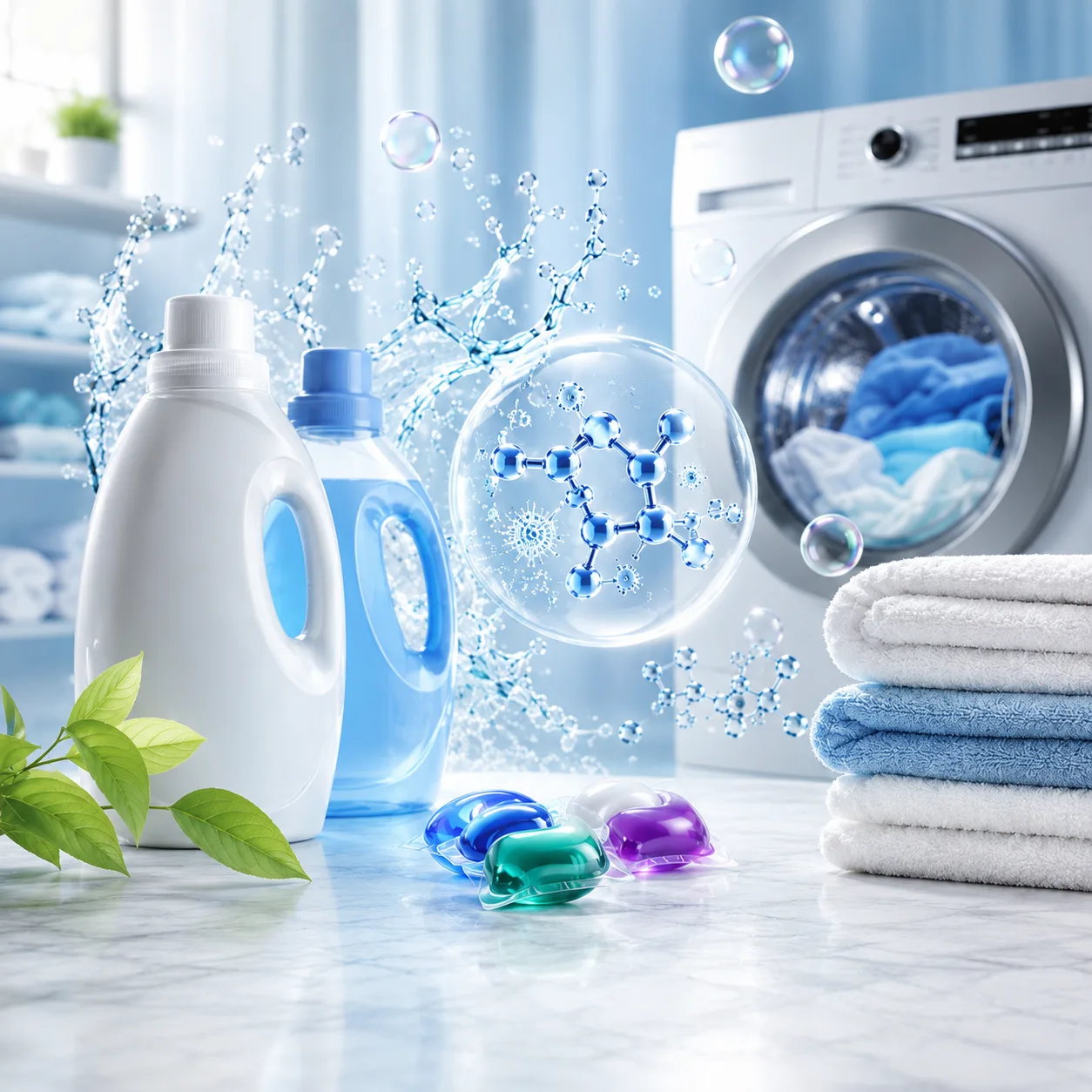
Custom multi-enzyme liquids and granules—with dishwash concentrates and application-lab benchmarking—for stain depth, fabric care and sustainability-forward detergent brands.
View detail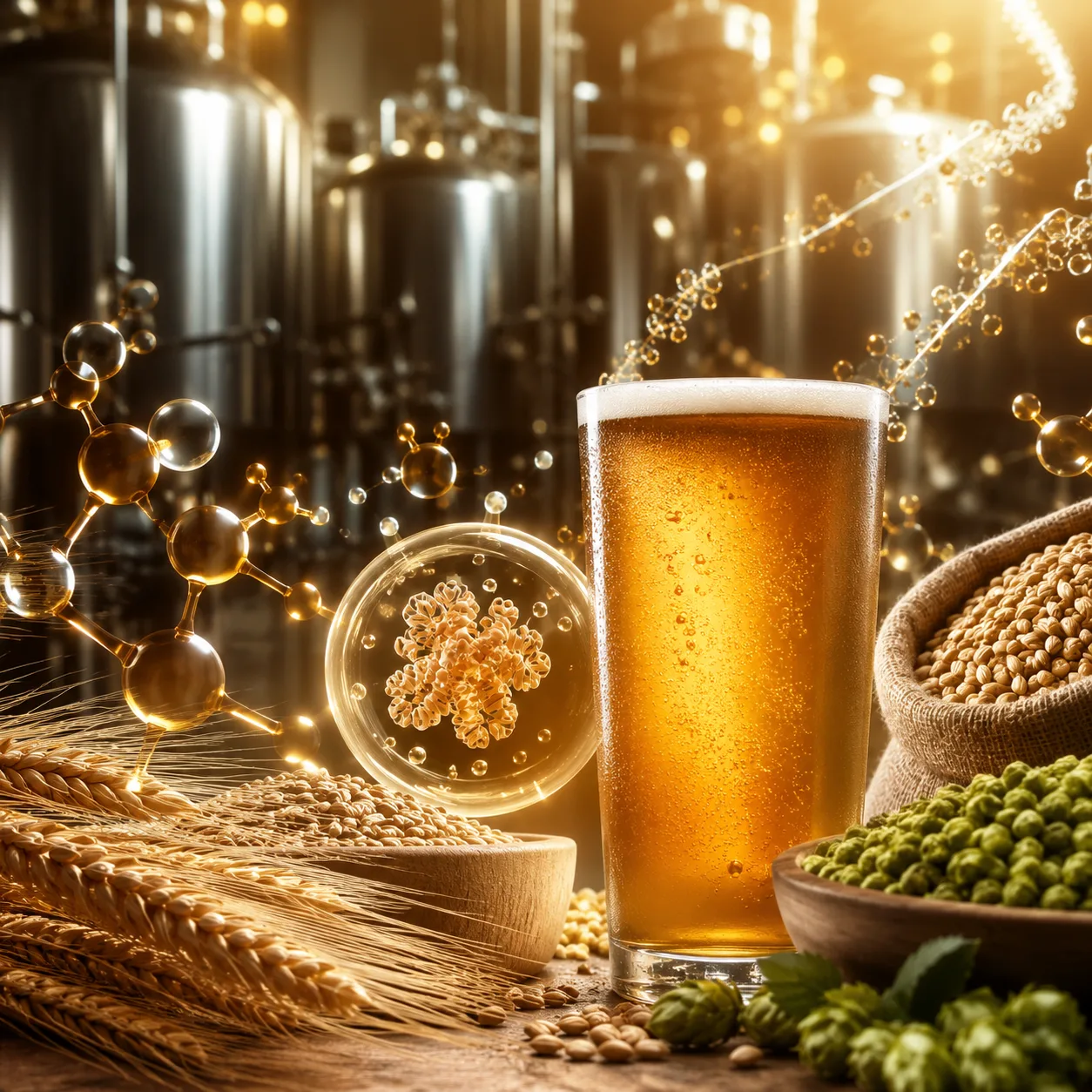
Grain-to-glass enzyme programmes—fungal amylase, high-temperature liquids, glucoamylase, beta-glucanase and protease clarity routes—for extract, viscosity control and bright-beer stability.
View detailContact our applications team today to translate furnish targets into documented enzyme ladders—paired with QA packages procurement can release.