Reduced water usage
Targeted soaking and opening assists can shorten rehydration paths and tighten float management—pilots routinely seek meaningful water trims when uptake curves and dumping protocols are instrumented responsibly.
QUALITY OVER EVERYTHING


Sustainable and efficient enzyme solutions—from soaking through bating and degreasing—for tanners who need cleaner grains, sharper chemistry discipline and credible environmental KPIs anchored in trial data.
Overview
Enzyme technology is redefining modern leather processing as a sustainable, efficient and environmentally responsible alternative to heavily chemical-intensive methods. Biocatalysts can enhance fibre opening, improve hide cleanliness and optimise critical stages—from soaking and dehairing through bating, degreasing and pre-tanning—delivering softer, cleaner, more uniform leather while moderating ecological impact.
By replacing or reducing reliance on harsh process chemicals wherever pilot data justify it, enzymatic routes can support lower water and effluent burdens and align beamhouse narratives with tightening environmental benchmarks—including expectations familiar to export-oriented European supply chains.
Antozyme delivers high-performance fermentation-grade enzymes formulated for consistent industrial throughput, transparent documentation discipline and pragmatic technical support. Our goal is to pair cutting-edge biotechnology with measurable operational KPIs—not brochure-only substitutions for lime discipline, sulfide governance or artisan finishing mastery.
In essence, enzyme technology is not just an innovation—it is part of how responsible manufacturers pursue operational excellence alongside regulatory preparedness.
Sustainability posture
Targeted soaking and opening assists can shorten rehydration paths and tighten float management—pilots routinely seek meaningful water trims when uptake curves and dumping protocols are instrumented responsibly.
Selective proteases and lipases can mitigate reliance on brute-force surfactants, solvents or degreaser extremes—helping lower chemical footprints and contributing to safer drum-floor chemistry when SDS and permit contexts align.
Cleaner grains, supple handles and more predictable dye strike translate into fewer rework loops—premium articles particularly benefit when trials pair enzyme choreography with collagen-safe dosage fences.
Mastery across stages
Pick a lineup to read category narratives or drill into specific enzyme dossiers—with trial discipline emphasised throughout.
Selected programme
Soaking enzymes are specialised biocatalysts for the earliest beamhouse chapter—when raw hides and skins rehydrate and shed blood, dirt, preservatives and carbohydrate contamination. Removing non-collagenous proteins and lipids cleanly sets the collagen matrix up for liming intelligence rather than brute mechanical abuse.
Industrial soaking enzymes enhance efficiency by shortening cycle times where uptake curves cooperate, boosting uniform moisture penetration and preparing substrates for dependable liming chemistry. Recipes are formulated for defined temperature and alkalinity corridors so performance stays repeatable hide-to-hide.
By deploying soaking enzymes conscientiously, tanners secure more homogeneous results, trim unnecessary adjunct loads and lift final leather handle—while aligning with global environmental KPIs negotiated with your permitting authority—not assumed from marketing copy alone.

Key focal points
View enzyme details
Drill into SKU-specific dossiers—or stay at the category narrative for onboarding discussions.
Applications
Enzyme technology can be strategically deployed across sequential leather-manufacturing steps—elevating beamhouse responsiveness, tanning penetration and downstream finishing polish when trials map each KPI honestly.

Supports rapid rehydration, cleaner removal of dirt, blood and preservation chemistry, and uniform moisture uptake so liming floats behave predictably batch-to-batch.
Proteases weaken hair-root proteins for controlled mechanical release—with sulfide stewardship and epidermal microscopy ensuring collagen pathways remain guarded.
Removes swollen non-collagen proteins for smoother grain topography, supple handle and sharper dye fixation—paired with softness versus tear KPI balances.
Lipolytic regimes dismantle adipose reservoirs—preventing greasy streak artefacts before dye escalation and VOC-intensive solvent rescue routes.
Permeability assists ensure acids, salts and tanning syntans diffuse evenly—not blobbing locally and punishing dye economics later.
Surface refinement biocatalyst pilots tame fuzz and tactile harshness whenever article specifications sanction controlled cellulolytic choreography.
Specification snapshot
| Advantage focus | What it delivers |
|---|---|
| High enzymatic activity | Maintains potency at conscientious dosing—supporting throughput without reckless overdosing. |
| Versatile pH stability | Formulations characterised for alkaline soak, pickle or mild-acid bating corridors pertinent to routed hides. |
| Temperature resilience | Performs predictably inside industrial drum thermal envelopes when monitoring agrees. |
| Substrate specificity | Selective biocatalytic events target non-collagen impurities or adipose artefacts without attacking structural collagen blindly. |
| Process integration | Compatible with dosing hardware, dissolve protocols and housekeeping realities of modern beams. |
Workflow
Fingerprint species mixes, preservatives, sulphide load and KPI contracts before enzyme matching.
Map soak vs unhairing vs bate vs degrease chemistries—with effluent counselling when invited.
Split-hide ladders benchmarking enzyme ladders vs incumbent flows using agreed abort gates.
Lock COAs, dosing SOP tweaks and QA release bands feeding commercial rollout.
Organisational ethos
Chemical stewardship dialogues anchored to COD, sulphide and solids telemetry—not billboard promises alone.
Fermentation science tuned to disciplined beamhouse choreography and luxury documentation expectations.
Serving tanneries, traders and footwear houses across diversified geographies—with export-minded paperwork discipline.
COA interpretations, ladder trials and operator training so enzyme routes survive audit seasons.
Application authenticity for tanneries and textile-adjacent supply chains—we pair fermentation strength with sulphide-era humility.
FAQ
They are fermentation-derived biocatalysts—commonly selective proteases, lipases or carbohydrases—that accelerate targeted hydrolysis of proteins, fats or polysaccharides interfering with cleanliness, softness or uniformity across beamhouse floats.
Explore further
Navigate adjacent application hubs with the same disciplined technical onboarding.
High-performance desizing, bio-polishing and peroxide-management biocatalysts—liquid, powder and granule formats—for mills prioritising fabric quality, throughput and responsible wet processing.
View detail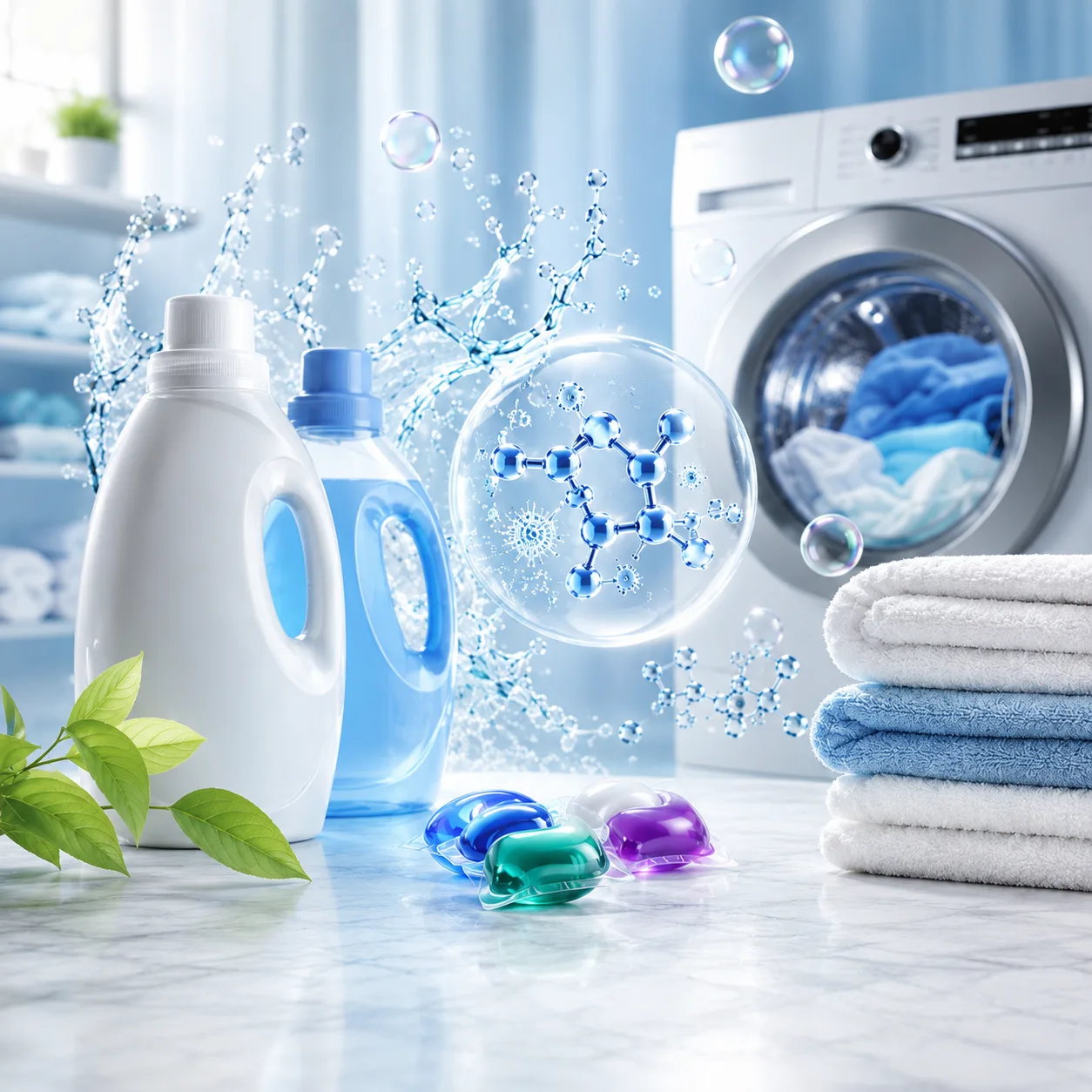
Custom multi-enzyme liquids and granules—with dishwash concentrates and application-lab benchmarking—for stain depth, fabric care and sustainability-forward detergent brands.
View detail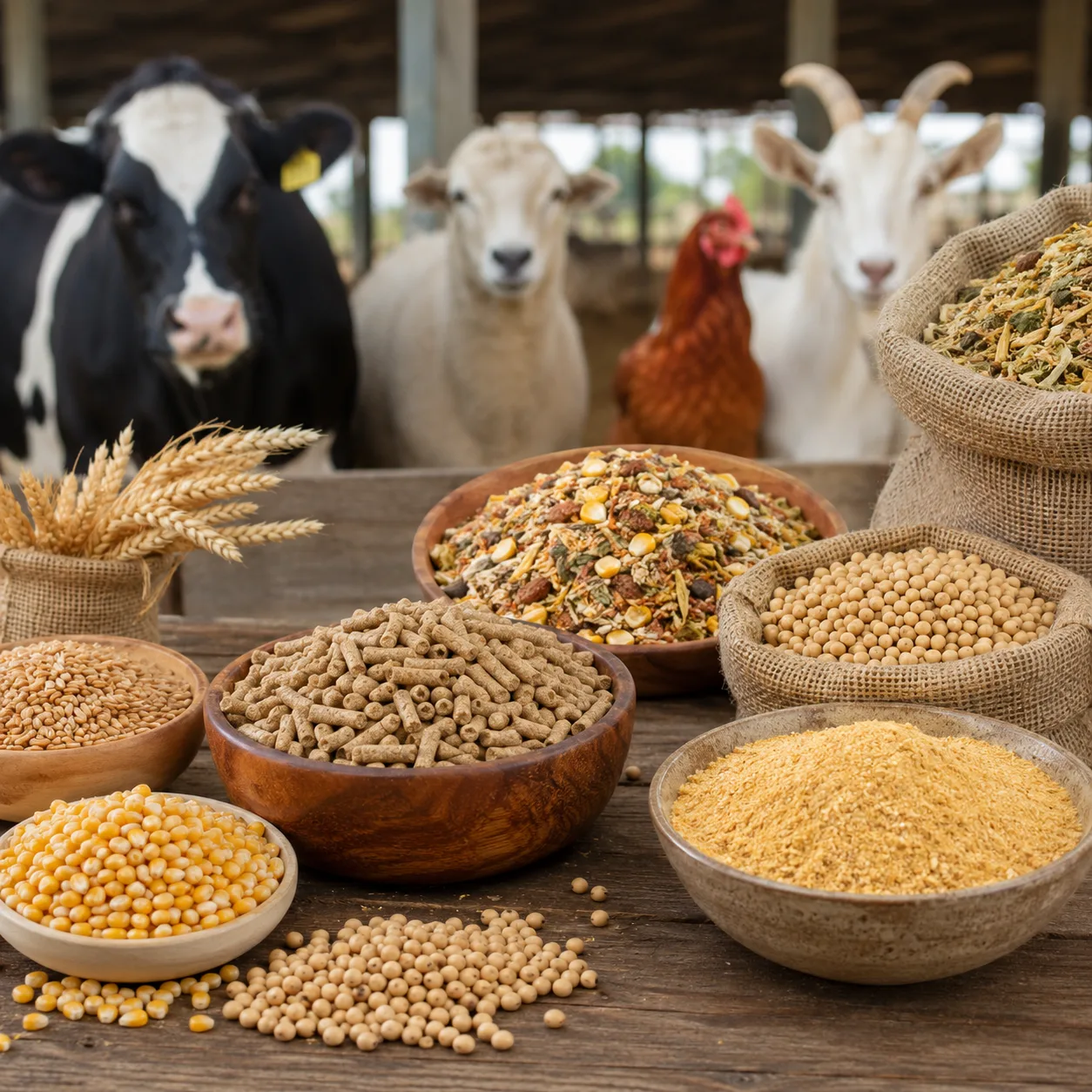
Premium fermentation-grade feed enzymes—NSP programmes, protease complexes, multi-enzyme cocktails and enzyme–probiotic blends—for swine, poultry, ruminants and aqua nutrition economics.
View detail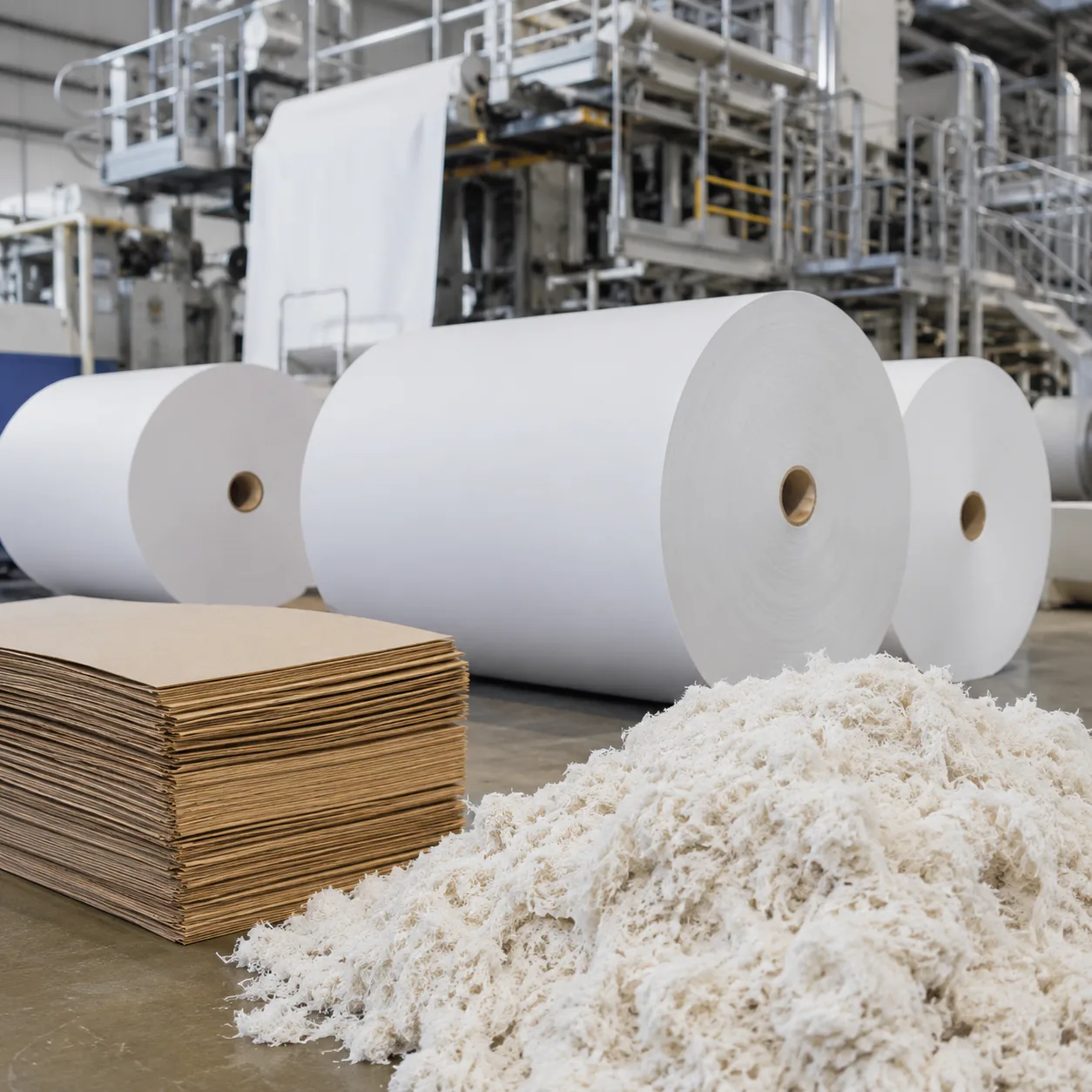
α-Amylase, cellulase, thermostable xylanase and lipase portfolios—for fibre modification, bio-bleaching synergy, starch-aware drainage and pitch control anchored to mill KPIs.
View detailExplore how Antozyme frames biotechnology, stewardship and disclosure discipline across industrial enzyme portfolios.