Higher Extract Efficiency
Improve starch conversion and maximize fermentable sugar recovery from malt and adjuncts.
QUALITY OVER EVERYTHING

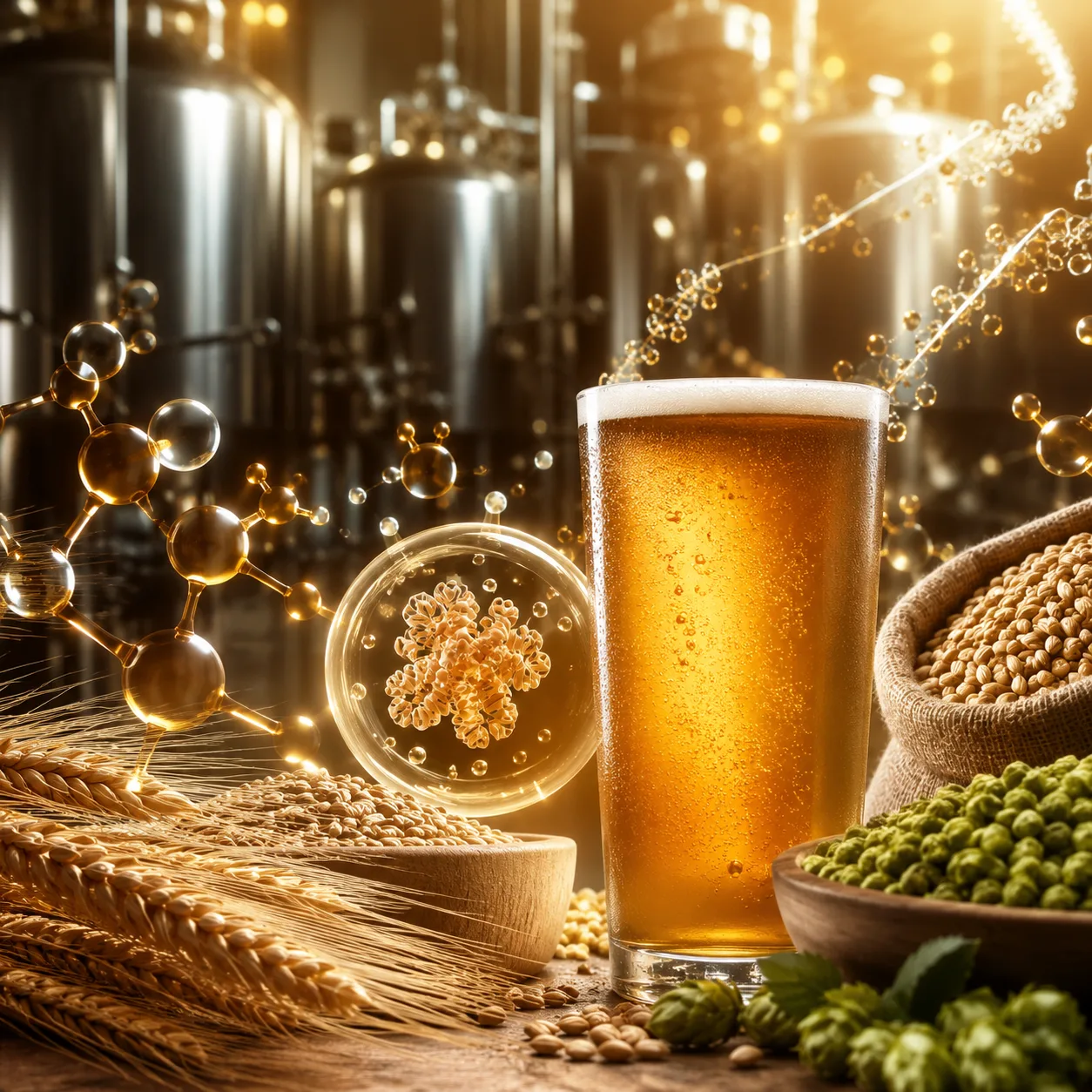
Antozyme Biotech is a leading innovator in industrial enzyme solutions, dedicated to advancing the brewery industry. We help breweries achieve maximum efficiency, consistent quality, and superior performance at every stage of the brewing process — from grain to glass.
Overview
Antozyme Biotech is a leading innovator in industrial enzyme solutions, dedicated to advancing the brewery industry. Our mission is to empower breweries to achieve maximum efficiency, consistent quality, and superior performance at every stage of the brewing process.
We aim to empower breweries worldwide by providing enzyme solutions that enhance productivity, improve product quality, and streamline operations. Whether it's increasing extract yields, improving wort clarity, or preventing starch carryover, Antozyme Biotech is committed to delivering reliable and innovative solutions.
Our high-performance enzymes are designed to support every step of the brewing process: Malting & Milling, Mashing, Lautering & Sparging, Boiling & Whirlpooling, Cooling, Fermentation & Conditioning, and Filtering & Packaging.
Operational impact
Designed to improve extract efficiency, clarity, fermentation performance, and final product consistency across the brewing process.
Improve starch conversion and maximize fermentable sugar recovery from malt and adjuncts.
Reduce haze-forming compounds, improve runoff, and support cleaner wort processing.
Accelerate mashing, lautering, and downstream steps for more efficient brewing operations.
Support batch-to-batch uniformity in taste, color, alcohol content, and visual clarity.
Improve availability of fermentable sugars and nutrients to support robust yeast performance.
Help reduce viscosity, chill haze, and filtration challenges for a more stable final product.
Portfolio
Navigate brewery enzyme solutions developed to improve starch conversion, fermentation, viscosity control, clarity, and final beer stability across different brewing applications.
Selected solution
Amylase Powder is a specially formulated enzyme designed to enhance starch conversion in brewing. By breaking down complex starches into fermentable sugars, it ensures maximum extract efficiency and a smoother, more predictable fermentation process.
Key benefits
Where enzymes earn their keep
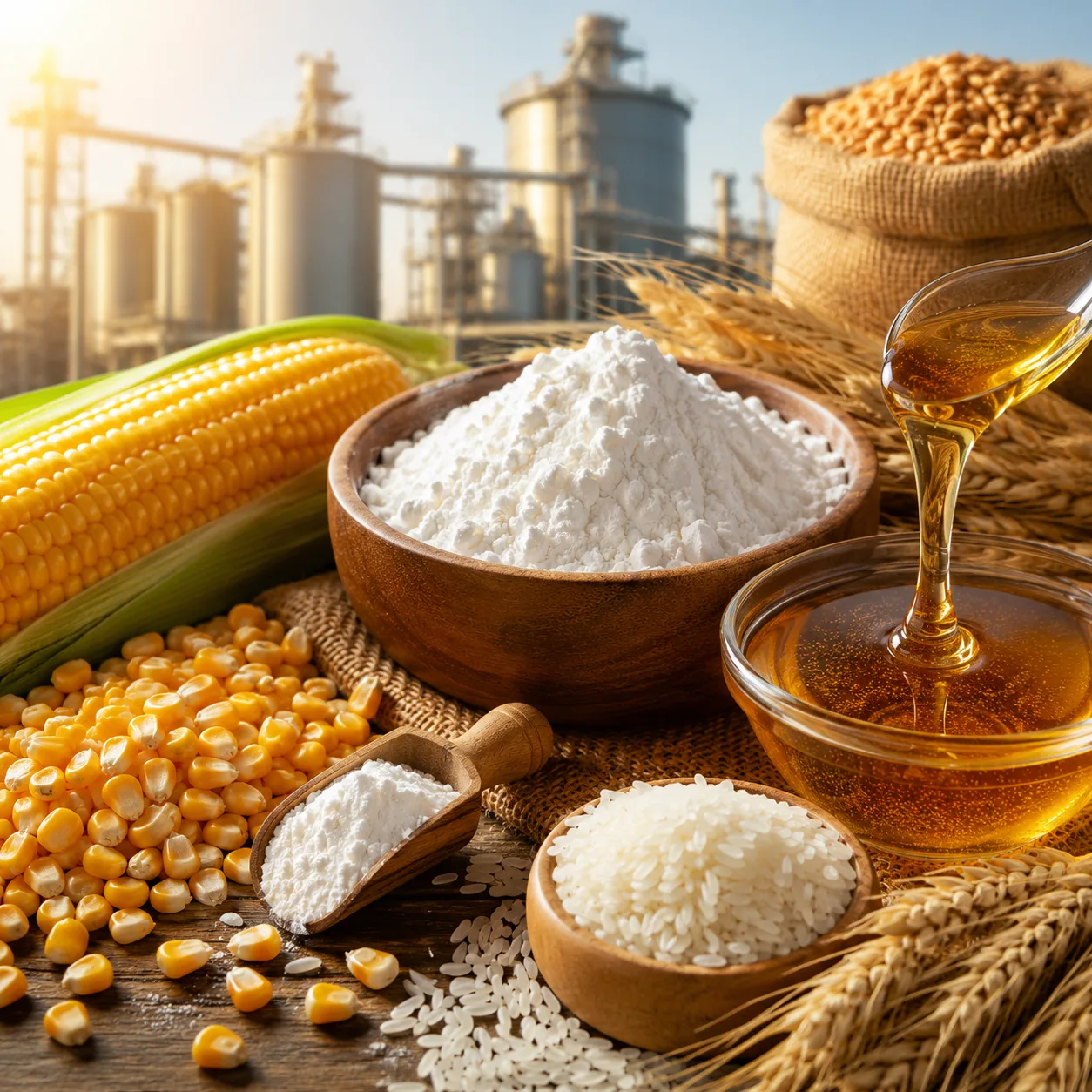
Brewery enzymes support the earliest stages of brewing by improving starch conversion, grain processing efficiency, and overall mash performance. These solutions help brewers maximize extract yield while maintaining wort quality and process consistency.
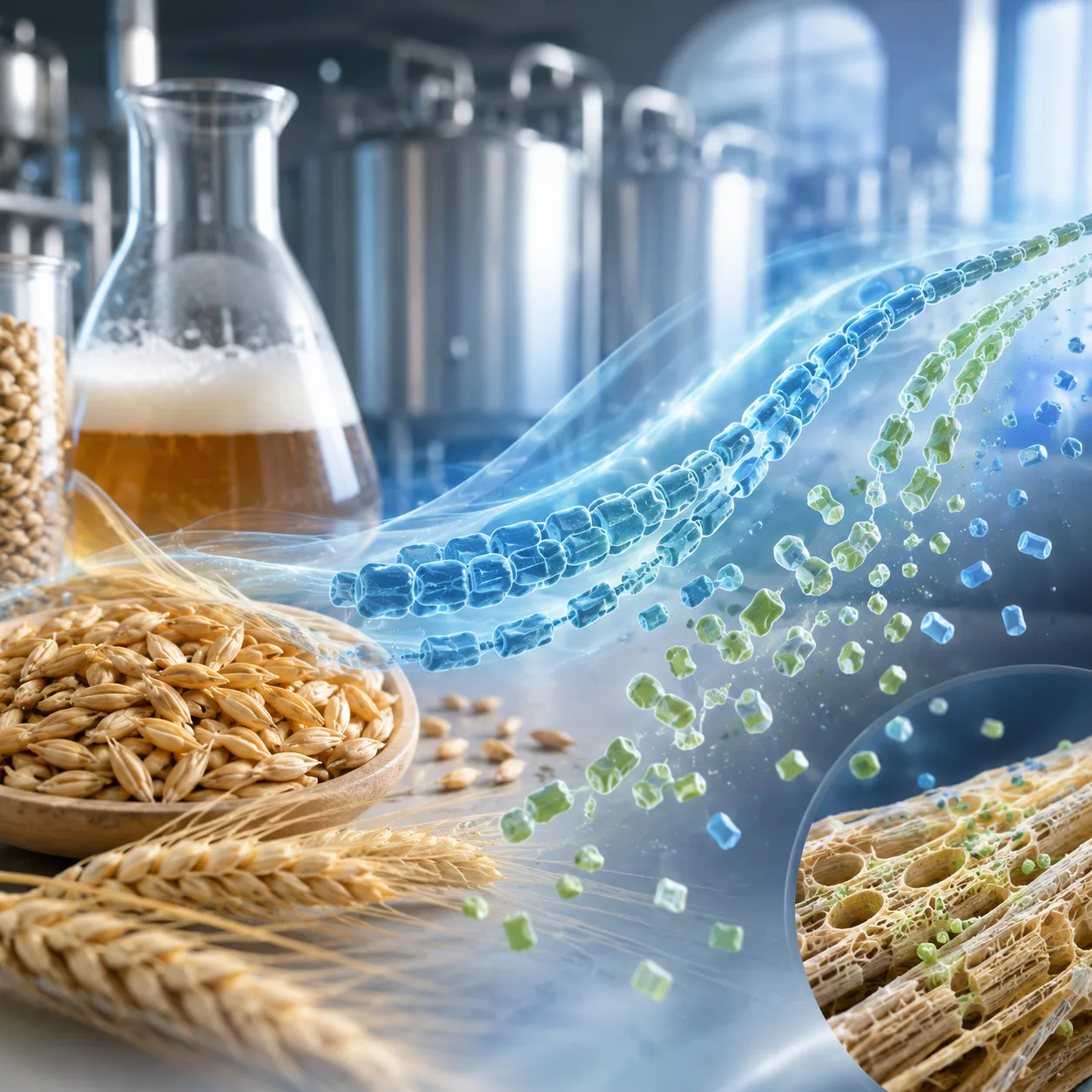
Viscosity control and breakdown of problematic compounds help improve wort flow, runoff efficiency, and filtration performance during lautering and sparging operations, especially in high-adjunct and high-viscosity brews.
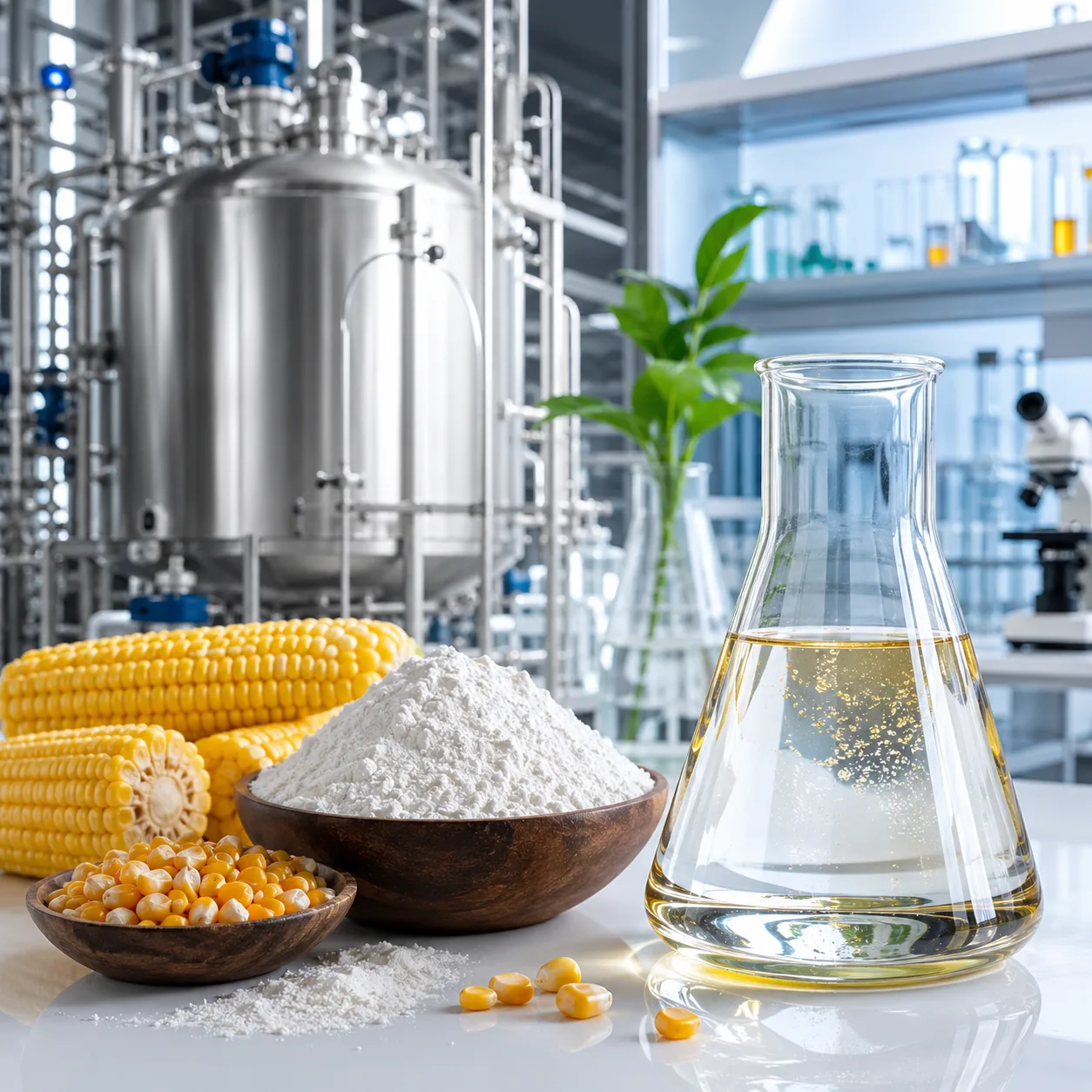
Enzyme support during fermentation helps generate more fermentable sugars, improve yeast performance, and support strong, stable fermentation in both standard and high-gravity brewing systems.
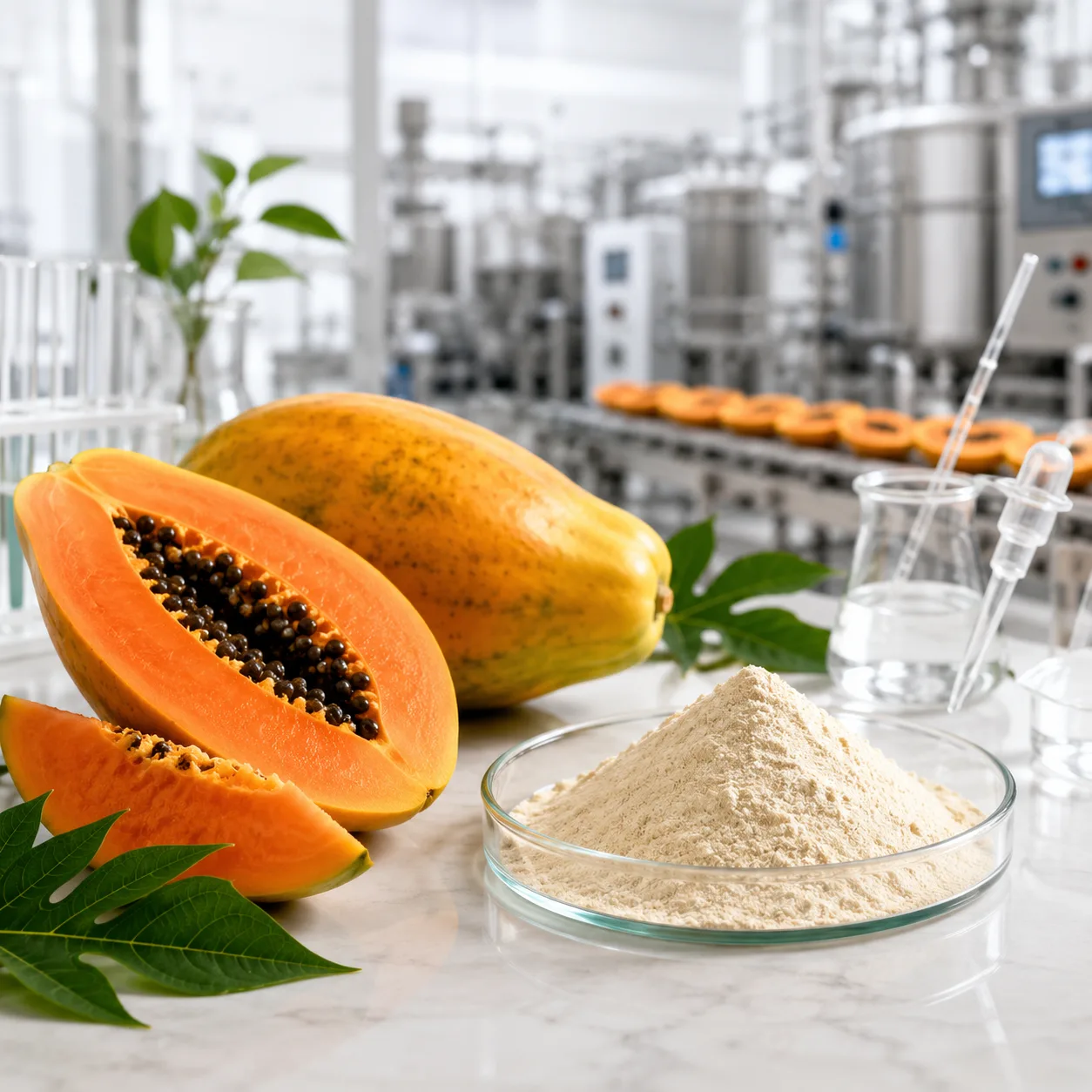
Proteolytic and specialty enzymes help breweries reduce haze, improve beer clarity, support filtration, and maintain final product stability through cooling, conditioning, and packaging.
Science translated
| Parameter | Advantage |
|---|---|
| Amylase activity | Efficient starch breakdown for improved mash conversion and higher extract yield |
| Glucoamylase performance | Converts dextrins into fermentable sugars for stronger fermentation and higher alcohol yield |
| Protease action | Breaks down proteins to improve clarity, haze control, and yeast nutrient availability |
| Beta-glucanase effect | Reduces wort viscosity and improves wort flow, lautering, and filtration |
| Pectinase functionality | Improves extraction, color release, and clarity in fruit-based brewing applications |
| Papain chillproofing | Reduces chill haze and supports bright, stable beer after refrigeration |
| Flexible enzyme formats | Liquid and powder options allow fit-for-process dosing, storage, and formulation flexibility |
Workflow
Review brewery process conditions, raw material profile, wort challenges, and performance targets across the brewing line.
Match amylase, glucoamylase, protease, beta-glucanase, papain, pectinase, or acid protease solutions to the required brewing stage and process objective.
Run controlled process trials to evaluate extract yield, viscosity, clarity, fermentation efficiency, and final beer stability.
Support commercial implementation with process guidance and supply documentation such as TDS, CoA, and SDS.
Antozyme helps breweries improve process efficiency, product consistency, and brewing performance through targeted enzyme solutions designed for real production conditions.
FAQ
Straight answers for breweries and beverage manufacturers evaluating enzyme solutions for process performance, clarity, and yield.
Brewery enzymes are used to improve starch conversion, reduce viscosity, support fermentation, improve wort clarity, reduce haze, and enhance final beer stability across different stages of brewing.
Explore further
Navigate adjacent application hubs with the same disciplined technical onboarding.
α-Amylase, dextranase and invertase portfolios—plus glucoamylase depth—for starch-aware juice handling, contaminant dextran relief and specialty invert syrups with documented factory KPIs.
View detailIndustrial α-amylase and glucoamylase programmes for starch-based ethanol—liquefaction through saccharification—with yield, energy and fermentation stability framed honestly.
View detailThermostable liquefaction amylase, glucoamylase saccharification and synergistic multi-enzyme alcohol booster concepts—for starch-rich grains, robust fermentation and consistent spirit KPIs.
View detail
Custom multi-enzyme liquids and granules—with dishwash concentrates and application-lab benchmarking—for stain depth, fabric care and sustainability-forward detergent brands.
View detailShare your brewery application and our team will help you identify the right enzyme solution for extract yield, clarity, viscosity control, fermentation performance, and final product stability.