Improved Starch Conversion
Break down starch efficiently into dextrins and glucose for reliable downstream processing.
QUALITY OVER EVERYTHING

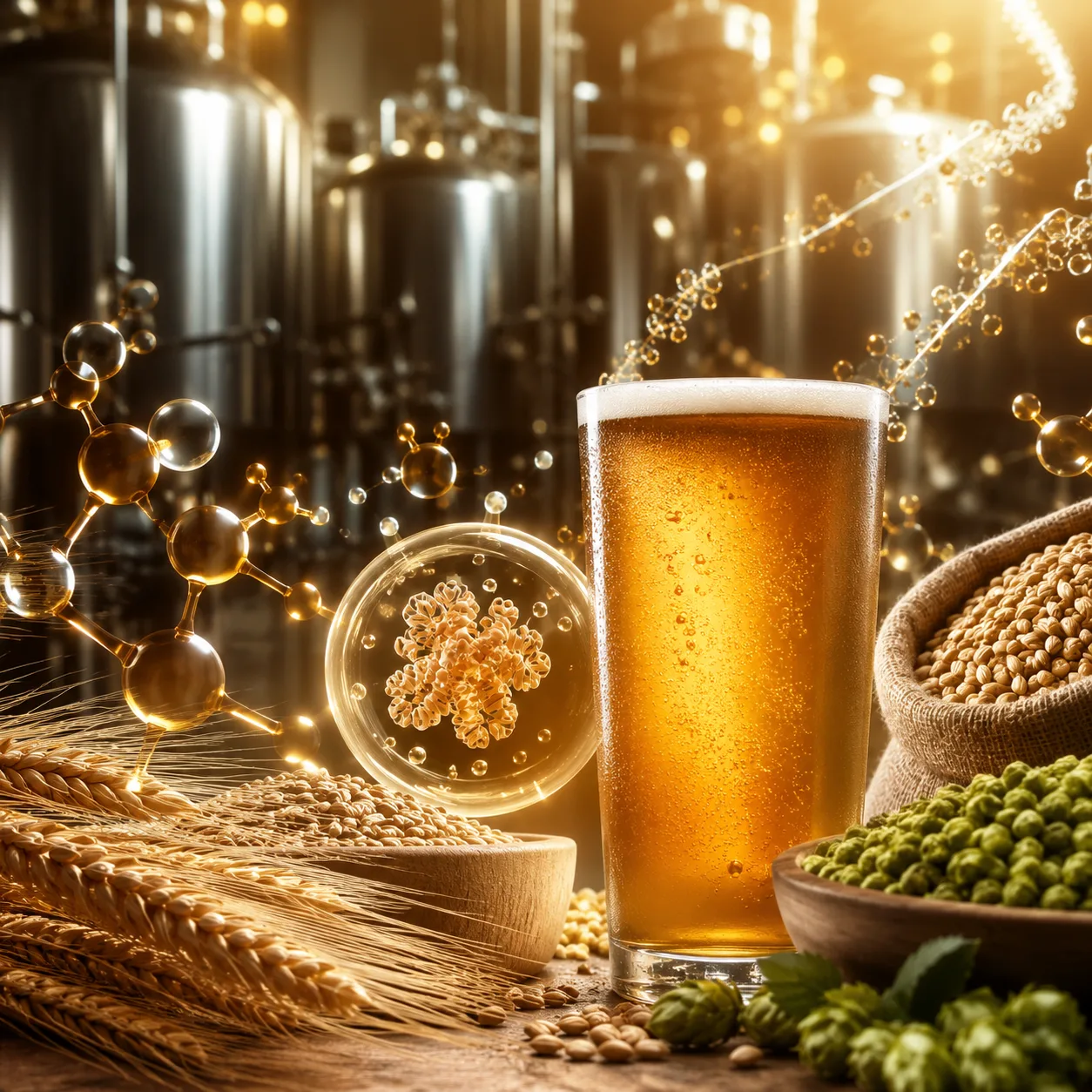
Fuel ethanol production has emerged as a key pillar in the global transition toward renewable energy, offering a sustainable alternative to fossil fuels while reducing greenhouse gas emissions and dependence on non-renewable resources.
Overview
Fuel ethanol production has emerged as a key pillar in the global transition toward renewable energy, offering a sustainable alternative to fossil fuels while reducing greenhouse gas emissions and dependence on non-renewable resources. At the heart of this bio-based energy production system lies the critical role of enzymes, which act as highly efficient biological catalysts driving the conversion of complex biomass into fermentable sugars.
Modern fuel ethanol production primarily utilizes feedstocks such as corn, sugarcane, wheat, and lignocellulosic agricultural residues. These raw materials contain complex carbohydrates in the form of starch, cellulose, and hemicellulose, which cannot be directly converted into ethanol. Enzymes play a transformative role in overcoming this challenge by breaking down these complex polymers into simple, fermentable sugars.
In starch-based ethanol production, enzymes such as alpha amylase and glucoamylase are widely used. Alpha amylase initiates the process by liquefying starch molecules into shorter dextrins, while glucoamylase further hydrolyzes these intermediates into glucose units. This enzymatic hydrolysis step is essential for maximizing sugar yield and ensuring efficient fermentation.
These enzymatic processes directly influence ethanol yield, process efficiency, and production economics. By enabling mild operating conditions and reducing the need for harsh chemical treatments, enzymes contribute to more sustainable and environmentally friendly production systems. Continuous advancements in enzyme engineering and biotechnology have also improved enzyme stability, activity, and cost-effectiveness for large-scale bioethanol production.
In conclusion, enzymes serve as the backbone of fuel ethanol production, bridging the gap between raw biomass and renewable fuel. Their role not only enhances process efficiency and yield but also supports the global shift toward cleaner energy solutions.
Operational impact
Industrial enzyme systems designed to improve liquefaction, saccharification, fermentation efficiency, and ethanol yield.
Break down starch efficiently into dextrins and glucose for reliable downstream processing.
Increase fermentable sugar availability to support stronger fermentation and higher final ethanol output.
Support liquefaction and saccharification with consistent enzyme performance under industrial conditions.
Reduce energy demand, improve conversion efficiency, and optimize overall plant economics.
Improve flow behavior and smoother handling during starch processing and liquefaction.
Enable cleaner, more eco-friendly ethanol production with reduced reliance on harsh chemical treatment.
Portfolio
Navigate core fuel ethanol enzymes developed to improve starch liquefaction, saccharification, fermentable sugar generation, and overall ethanol productivity.
Selected solution
Alpha amylase is a key industrial enzyme widely utilized in the fuel ethanol industry for the efficient conversion of starch-based feedstocks into fermentable sugars. It is an endo-acting hydrolytic enzyme that catalyzes the random cleavage of internal alpha-1,4-glycosidic bonds in starch molecules, leading to the rapid reduction of polymer chain length and viscosity of the mash. In ethanol production processes, alpha amylase is primarily employed during the liquefaction stage, where it plays a critical role in breaking down gelatinized starch into soluble dextrins. This step is essential for improving substrate accessibility and preparing the material for subsequent saccharification and fermentation. The enzyme operates effectively under high-temperature conditions, typically in mildly acidic to neutral pH ranges, making it highly suitable for industrial-scale operations. The use of alpha amylase significantly enhances process efficiency by enabling faster starch conversion, improving heat stability of the mash, and reducing energy consumption associated with mechanical or chemical treatments. Its application also ensures improved consistency in fermentable sugar production, which directly contributes to higher ethanol yields and more stable fermentation performance. Advancements in enzyme engineering have led to the development of highly thermostable and pH-tolerant alpha amylase variants, allowing for improved process integration and cost optimization in modern ethanol plants. These enhancements support continuous and large-scale operations while maintaining high catalytic efficiency.
Key benefits
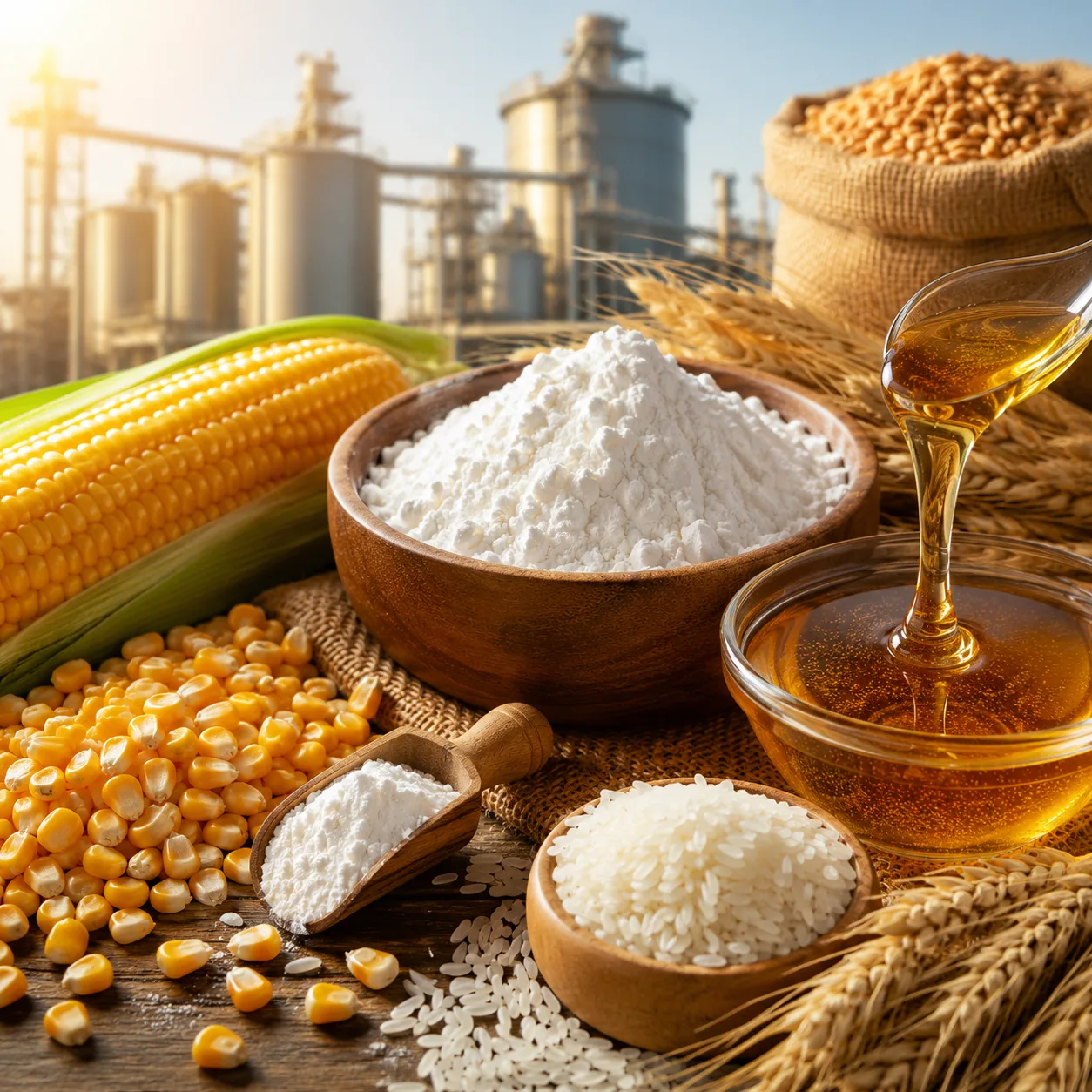
Where enzymes earn their keep
Alpha amylase plays a critical role in reducing mash viscosity and improving process flow during high-temperature starch processing.
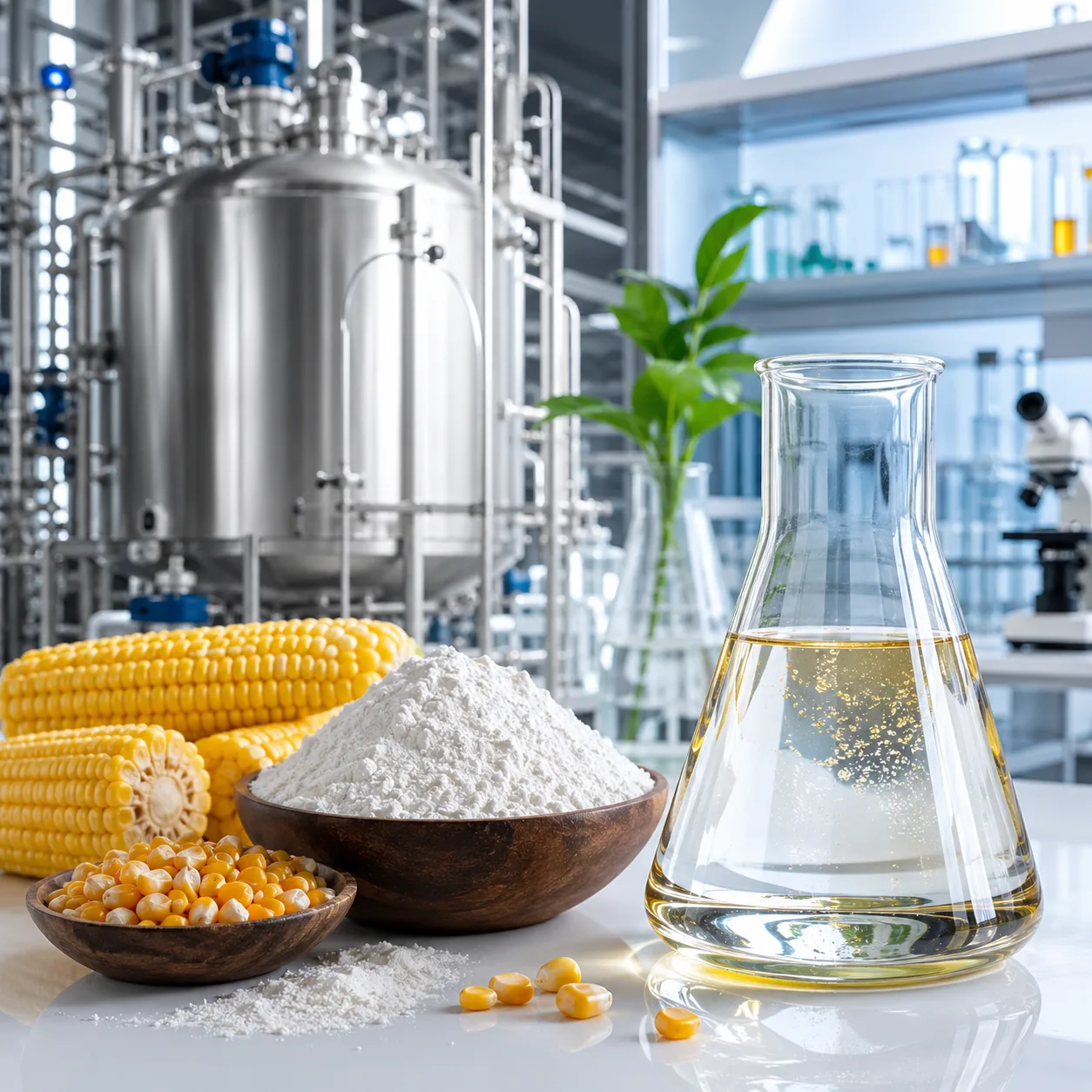
Glucoamylase completes starch hydrolysis by releasing glucose units required for yeast fermentation and ethanol formation.
Science translated
| Parameter | Advantage |
|---|---|
| Alpha amylase function | Liquefies starch, reduces mash viscosity, and improves dextrin generation during high-temperature processing |
| Glucoamylase function | Hydrolyzes dextrins into glucose for efficient yeast fermentation and ethanol formation |
| Sugar conversion | Improves fermentable sugar availability and supports higher ethanol yields |
| Process efficiency | Supports reliable liquefaction and saccharification with lower processing burden |
| Sustainability impact | Reduces harsh chemical dependence and supports cleaner renewable fuel production |
| Industrial suitability | Enhanced enzyme stability and process tolerance support modern large-scale ethanol plants |
Workflow
Prepare starch-based raw materials such as corn, sugarcane derivatives, wheat, or other carbohydrate-rich feedstocks for enzymatic processing.
Apply alpha amylase to gelatinized starch to reduce viscosity and generate soluble dextrins for downstream conversion.
Use glucoamylase to convert dextrins into glucose, then support yeast fermentation for ethanol production.
Refine enzyme dosing, process conditions, and plant performance to improve sugar conversion, ethanol yield, and production economics.
Antozyme supports fuel ethanol manufacturers with enzyme systems designed to improve starch conversion, fermentable sugar generation, process efficiency, and renewable fuel output.
FAQ
Straight answers for ethanol producers evaluating enzyme systems for liquefaction, saccharification, sugar yield, and fermentation efficiency.
Enzymes convert complex carbohydrates such as starch into fermentable sugars, making efficient ethanol production possible.
Explore further
Navigate adjacent application hubs with the same disciplined technical onboarding.
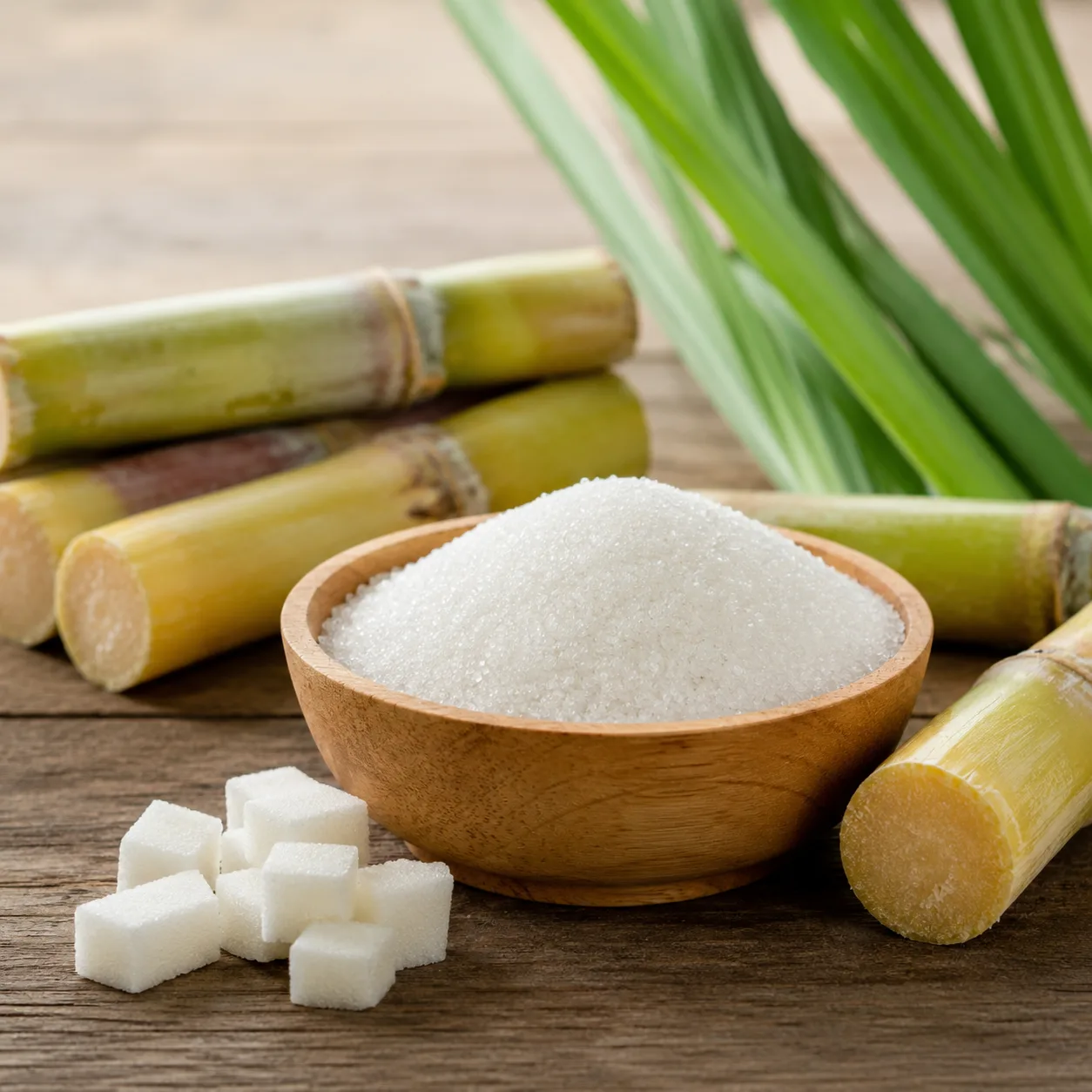
Liquefaction, saccharification and viscosity windows for native and modified starch streams—with honest DE targets and plant hygiene respect.
View detailα-Amylase, dextranase and invertase portfolios—plus glucoamylase depth—for starch-aware juice handling, contaminant dextran relief and specialty invert syrups with documented factory KPIs.
View detailThermostable liquefaction amylase, glucoamylase saccharification and synergistic multi-enzyme alcohol booster concepts—for starch-rich grains, robust fermentation and consistent spirit KPIs.
View detailMulti-enzyme Alcohol Booster concepts for molasses and sugarcane juice routes—invertase, carbohydrases, pectinase, protease and phytase assists framed around yield, viscosity and steady fermentation.
View detailShare your feedstock and production requirements, and our team will help identify the right enzyme solution for liquefaction, saccharification, and ethanol yield improvement.