Starch liquefaction
Endo-amylolytic pathways break down gelatinised polymers into shorter dextrins—collapsing mash viscosity while staging oligomers for completing saccharification.
QUALITY OVER EVERYTHING

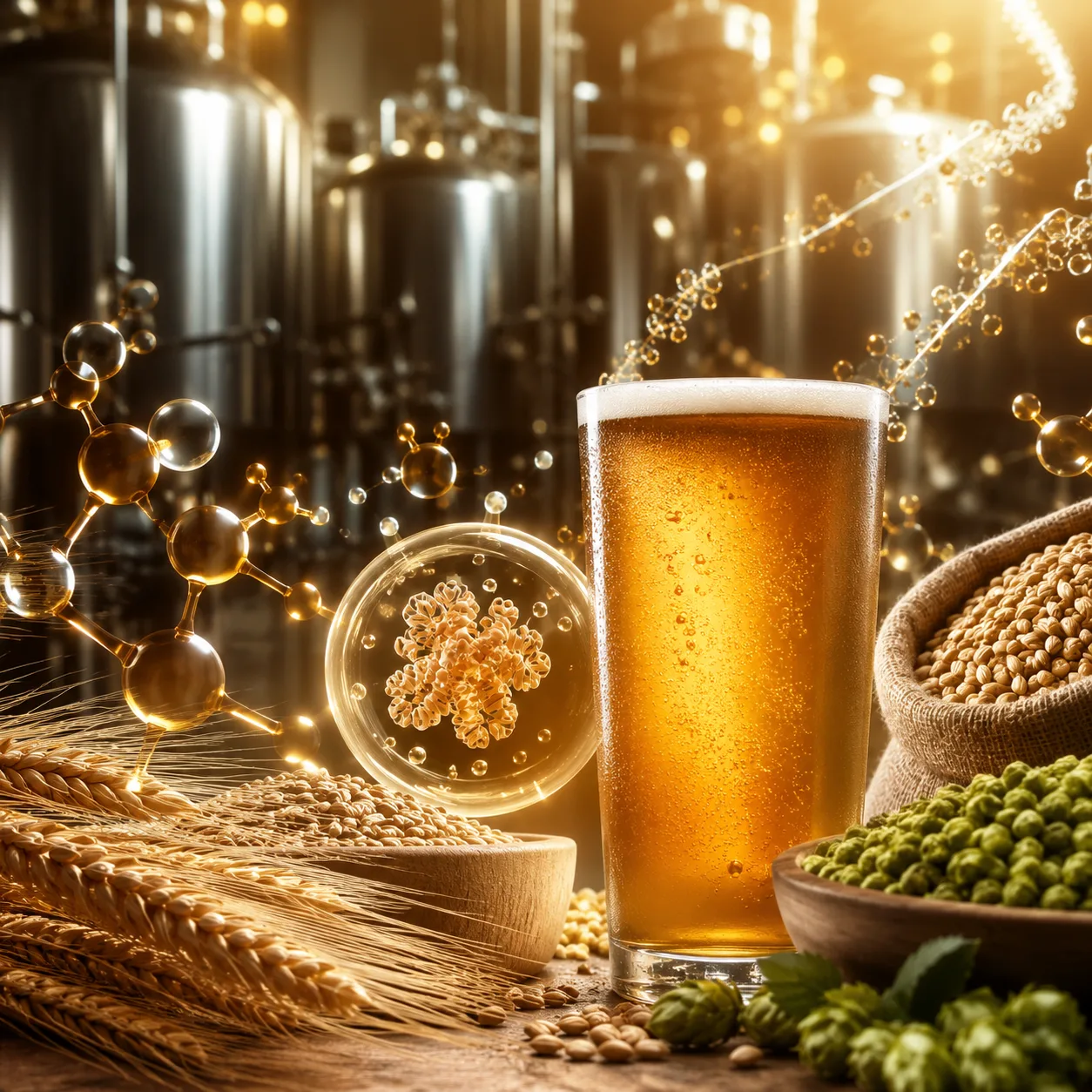
Antozyme's enzymatic solutions optimise starch liquefaction and saccharification—supporting higher fermentation efficiency, sharper spirit quality KPIs and responsible extract economics rooted in distillery analytics.
Foundation science
In grain-based distilleries, enzymes are the biological catalysts that drive the conversion of complex starches into fermentable sugars—a critical prerequisite for dependable alcohol production and consistent spirit KPIs.
Enzyme technology underpins efficient, scalable and increasingly sustainable starch-to-spirit pipelines. Feedstocks such as corn, wheat, barley and sorghum harbour starch encapsulated in protein–fibre matrices—heat and shear during cooking gelatinise polymers so carbohydrases can engage productively.
Typical sequencing spans grain preparation and cooking followed by liquefaction (viscosity collapse and internal chain scission toward dextrins) and saccharification (exo-hydrolysis toward glucose suited to disciplined yeast physiology). Specialized proteolytic fractions can raise assimilable nitrogen, while cellulase and debranching tools may expose entrapped carbohydrate when assays justify their inclusion.
Well-matched liquefaction–saccharification programmes sharpen alcohol yield, throughput and energy realism; integrated booster philosophies target residual starch narratives, FAN limitations and tougher grain years. Advances such as simultaneous saccharification and fermentation architectures and progressively thermostable liquefaction biocatalysts support modern plant economics—but always hinge on reproducible KPI contracts.
Enzymes are therefore a strategic layer for productivity and quality—paired with fermentation hygiene, QA sampling and conscientious disclosure when sustainability claims cite utility or chemistry reductions.
Endo-amylolytic pathways break down gelatinised polymers into shorter dextrins—collapsing mash viscosity while staging oligomers for completing saccharification.
Exo-glucoamylase action trims non-reducing chain ends—including branched remnants—elevating fermentable glucose pools available to pitching yeast.
Sugar spectrum alignment, FAN assists and thoughtfully integrated adjunct enzymes help yeast metabolism stay predictable across variable grain receipts.
Execution depth
Efficient starch breakdown—even under aggressive gelatinisation envelopes when grades match survivability narratives.
Progressive dextrin-to-glucose conversion toward complete fermentable inventories before yeast stress rises.
Slashing rheology burdens so cooks, coolers and fermenters surrender fewer BTUs—and operators fight fewer pump trips.
Protease and ancillary assists improve nitrogen spectra for discerning yeast regimes—validated against FAN assays.
Liquefaction
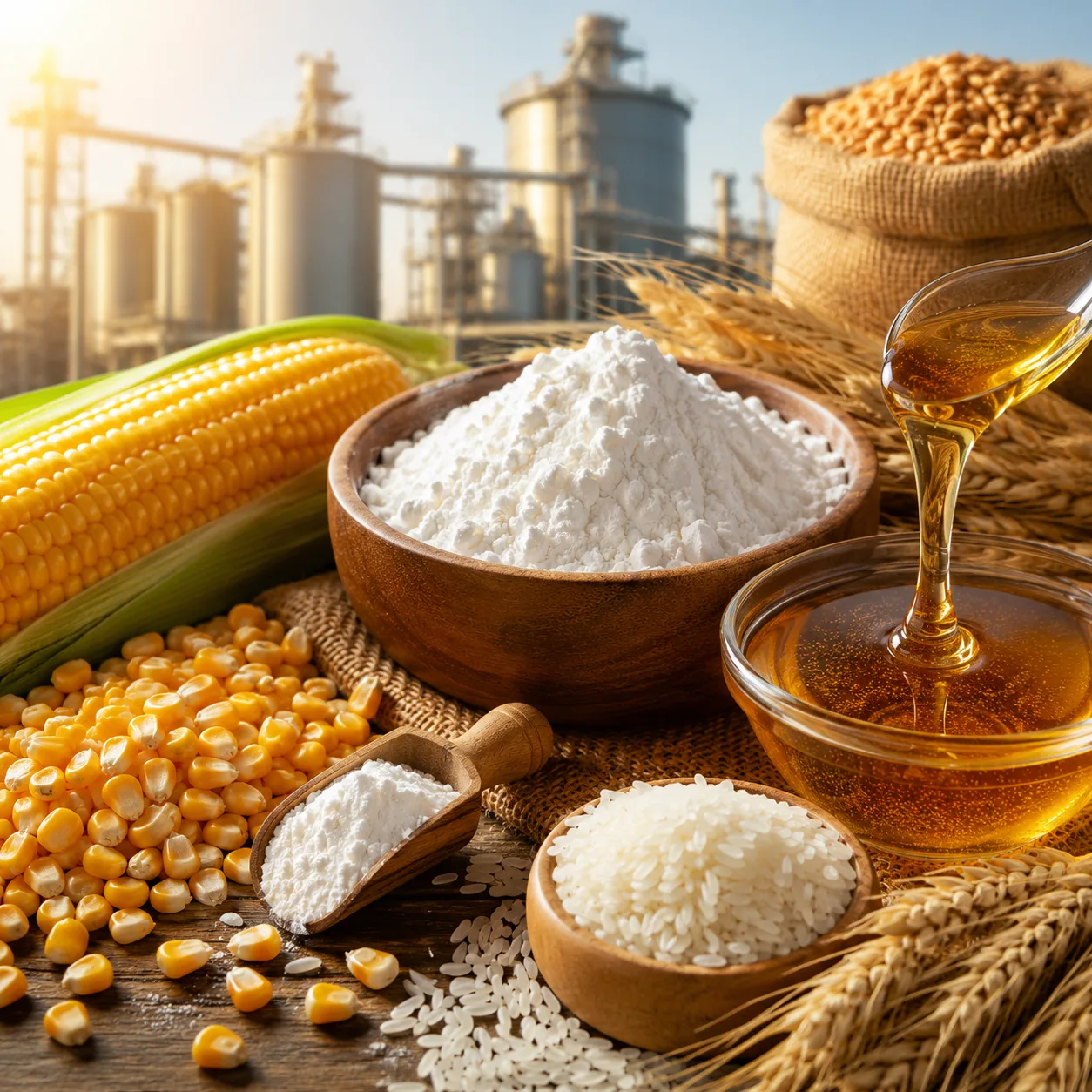
Thermostable alpha-amylase grades liquefy gelatinised starch at elevated temperatures—delivering rapid viscosity reduction and disciplined dextrin staging ahead of glucoamylase finishing.
Saccharification
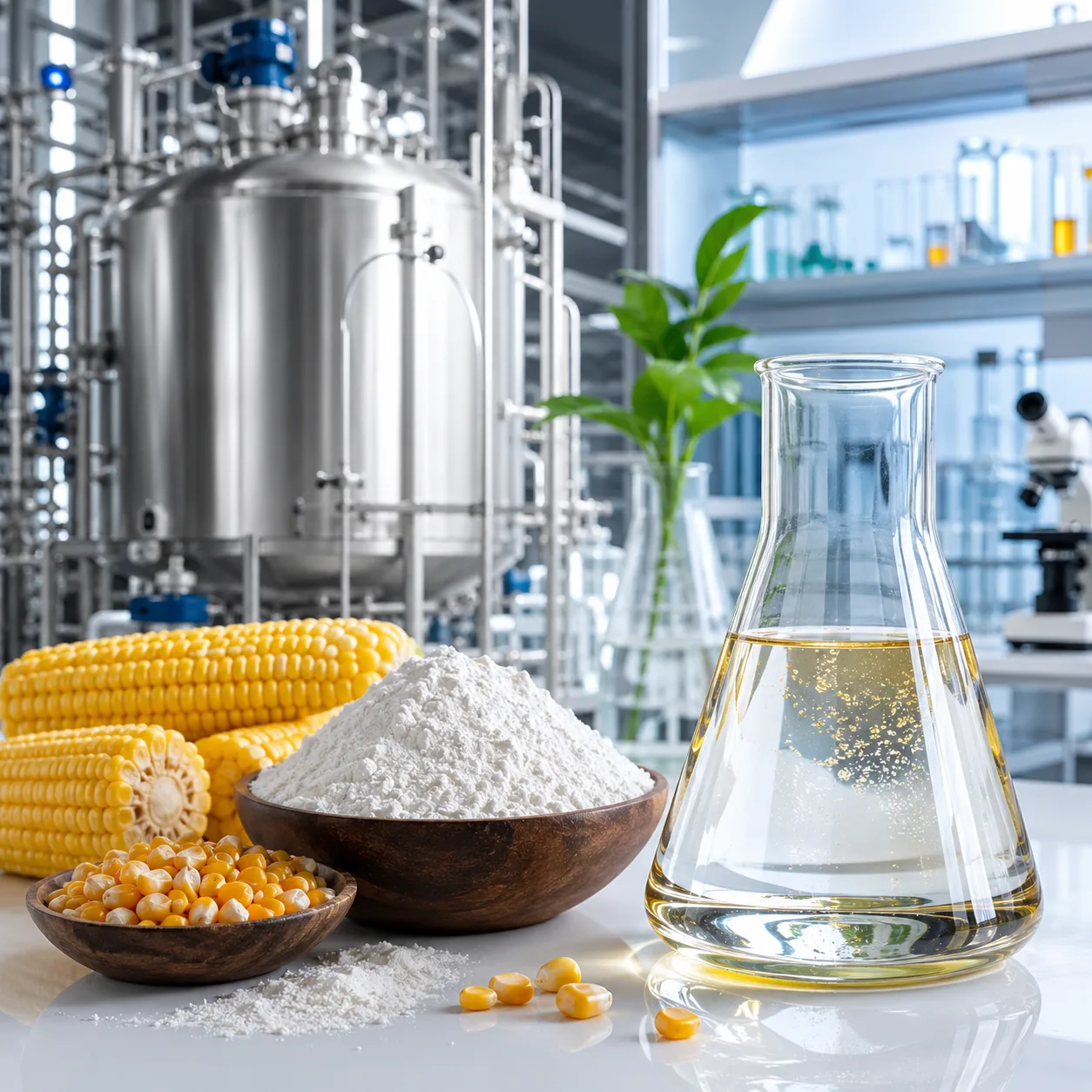
High-performance glucoamylases drive dextrins to glucose—elevating fermentable inventories, guarding residual starch chatter and sharpening ethanol narratives tied to distillery mass balances.
Distillery enzyme portfolio
Liquefaction, saccharification and alcohol booster portfolios—summarised in one view per pathway, with Applications support for structured trials.
Selected pathway
Liquefaction opens the distillery conversion arc: milling and cooking gelatinise starch, after which liquefaction biocatalysts reduce mash viscosity while initiating polymer scission toward dextrin pools.
These enzymes cleave internal starch bonds—shortening chains so mixing, pumping and heat-transfer limitations ease while downstream glucoamylase receives a workable substrate choreography.
Controlled liquefaction primes saccharification, moderates microbial risk envelopes when cooks stay hot—and remains inseparable from your shear, hold-time and pH telemetry negotiated with Applications.
High temperature amylase is a thermostable enzyme formulated for liquefaction beneath aggressive gelatinisation and cook profiles in grain distilleries—it attacks internal starch bonds concurrent with viscosity collapse toward dextrin staging.
Operating envelopes often span roughly 85–110 °C narratives when survivability aligns with shear, hold times and dosing discipline—potentially delaying intermediate cooling, improving hygienic envelopes and sharpening plant cadence wherever compatibility is proven—not assumed.
Robust liquefaction primes saccharification, improves mash manoeuvrability downstream and reinforces alcohol yield metaphors tethered to mass-balance evidence rather than folklore.
Key benefits
Partnership ethos
Bench intelligence, historian fluency and still-side pragmatism converge when Antozyme supports grain-to-spirit programmes—lifting extract utilisation responsibly without sugar-coating hardware or yeast limitations.
Reference data
| Parameter | Specification / guidance |
|---|---|
| Appearance | Light to dark brown liquid preparations or off-white to tan powders—SKU dependent with COA-visible colour descriptors. |
| Activity | Standardised to distillery-relevant assays with Antozyme documentation packages aligned to dosing discussions. |
| Effective pH | Broad operational windows—for many grades roughly pH 4–6.5—with exact envelopes confirmed per commercial SKU. |
| Thermal behaviour | Thermostable liquefaction grades discussed for exposures up toward ~95 °C—or hotter pilot narratives—matching strain viability and shear maps. |
| Solubility | Liquid grades typically fully miscible in water; powders engineered for dispersion discipline per SOP coaching. |
| Storage | Cool, dry, light-protected warehousing extends potency—follow label storage guidance and HSE instructions. |
Feedstock agility
High-starch temperate grits—with aggressive cook programmes and fibre burdens suited to calibrated liquefaction plus booster dialogues.
Pentosan viscosity awareness—with adjunct enzyme pilots when arabinoxylan rheology clamps heat exchange narratives.
Gelatinisation nuance—with delicate protein matrices rewarding precise saccharification hold strategies.
Barley, rye, sorghum and adjunct syrups—all matched through grain receipt analytics before enzyme SKU selection.
Partner workflow
Map milling, gelatinisation curves, FAN baselines and incumbent enzyme posture before recommending upgrades—with historian data welcomed.
Match liquefaction strains, glucoamylase finishing and booster modules against grain fingerprints and KPI contracts.
Bench cooks and supervised plant trials—with sampling cadences agreed up front—not ambush surprises at shift change.
Compare titre, residual starch, viscosity and FAN metrics versus baselines—with transparent limitation statements documented.
Seasonal grain shifts, energy swings and SKU evolution feed iterative optimisation—not one-and-done dossiers.
Applications engineers who respect yeast strain realities, distillery instrumentation and pragmatic disclosure when sustainability claims hinge on metering evidence.
FAQ
Straight answers covering liquefaction cores, booster blends and distillery economics.
Targeted liquefaction trims mash viscosity—simplifying pumping and thermal duty—while saccharification raises fermentable sugars for yeast; adjunct modules can elevate FAN or loosen fibre-bound starch whenever assay data proves the uplift versus cost and solids handling narratives.
Explore further
Navigate adjacent application hubs with the same disciplined technical onboarding.
Industrial α-amylase and glucoamylase programmes for starch-based ethanol—liquefaction through saccharification—with yield, energy and fermentation stability framed honestly.
View detail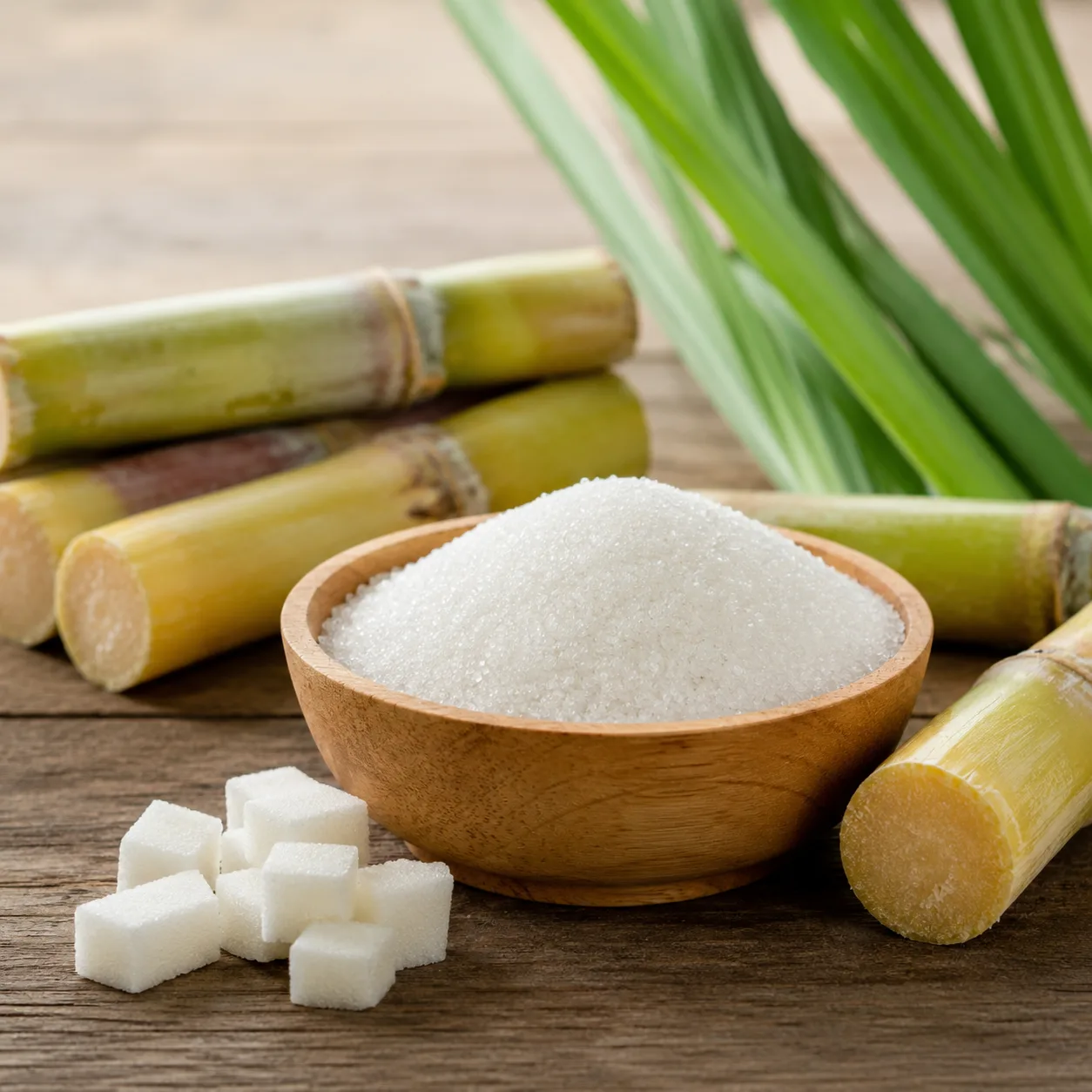
Multi-enzyme Alcohol Booster concepts for molasses and sugarcane juice routes—invertase, carbohydrases, pectinase, protease and phytase assists framed around yield, viscosity and steady fermentation.
View detailLiquefaction, saccharification and viscosity windows for native and modified starch streams—with honest DE targets and plant hygiene respect.
View detailα-Amylase, dextranase and invertase portfolios—plus glucoamylase depth—for starch-aware juice handling, contaminant dextran relief and specialty invert syrups with documented factory KPIs.
View detailShare gelatinisation fingerprints, FAN baselines and yield KPIs—we respond with dossier-grounded liquefaction, saccharification and booster narratives.