Juice clarification
Break down pectin, cellulose, hemicellulose and starch so cloudiness drops, viscosity behaves and clarification keeps pace with your brightness targets.
QUALITY OVER EVERYTHING

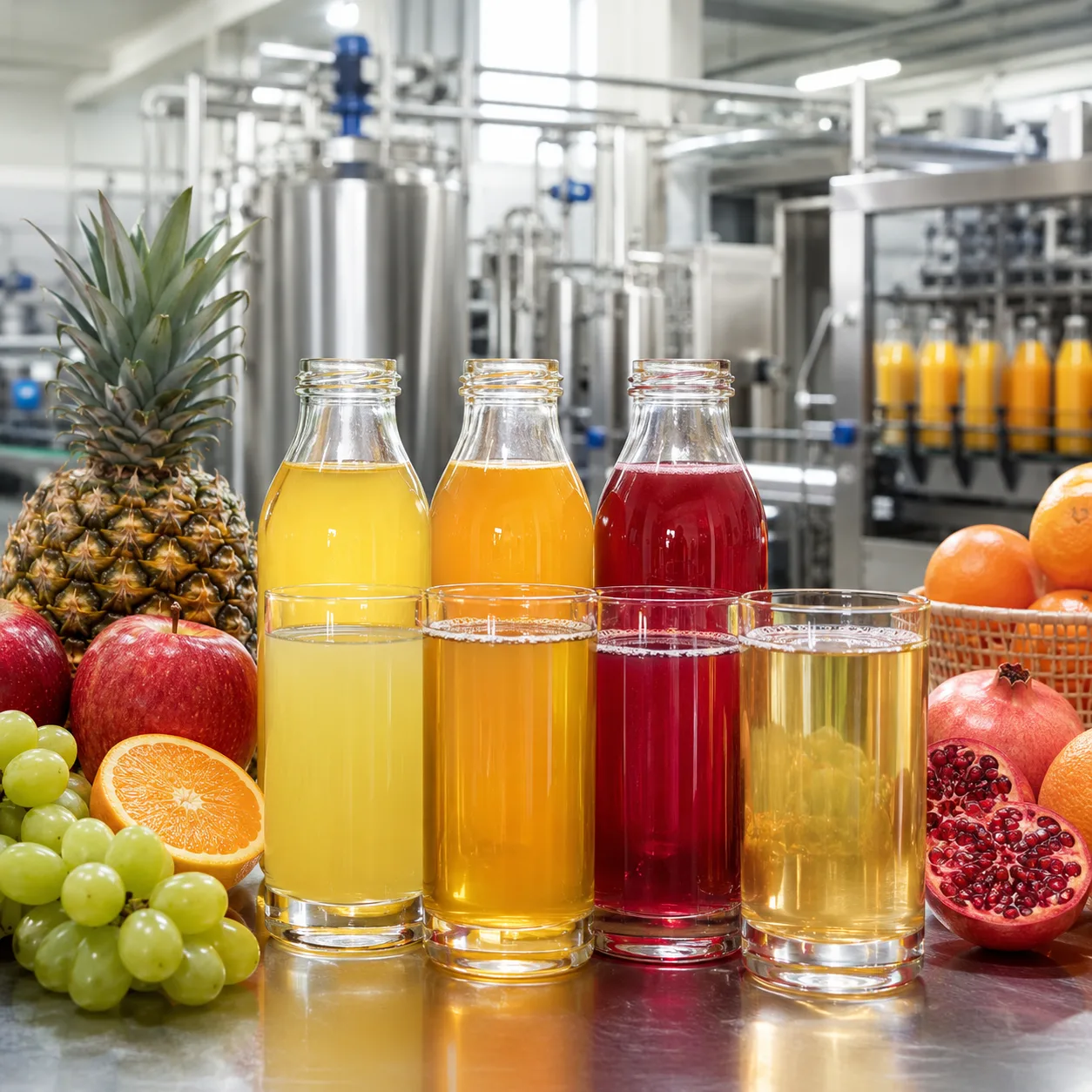
Enzyme solutions that boost clarity and shelf appeal, elevate extraction yields, trim viscosity where it hurts throughput and align with your KPI documentation habits.
Foundation science
Enzymes play a vital role in the modern processing of fruits and vegetables, particularly in improving the quality, yield and stability of juices. These biological catalysts accelerate specific biochemical reactions without being consumed, making them highly efficient and environmentally friendly tools in the food industry.
Break down pectin, cellulose, hemicellulose and starch so cloudiness drops, viscosity behaves and clarification keeps pace with your brightness targets.
Softer tissues and workable pomace matrices support higher recoverable juice and smoother press or decanter operation line-wide.
Maceration, peeling and puree streams benefit from disciplined polymer hydrolysis that respects flavour and colour guardrails.
In fruit juice production, one of the major challenges is the presence of natural compounds such as pectin, cellulose, hemicellulose, and starch, which cause cloudiness, high viscosity, and reduced juice extraction. Enzymes such as pectinases, cellulases and amylases are widely used to break down these complex molecules into simpler forms. This enzymatic action helps in juice clarification, resulting in a clearer, more visually appealing product with improved shelf life.
Beyond clarification, enzymes also enhance juice yield, reduce processing time and improve filtration efficiency. In vegetable and fruit processing, they are used for peeling, maceration, extraction, and texture modification. For example, enzymatic treatment can soften plant tissues, making it easier to extract juice or puree while preserving flavor, color and nutritional value.
Overall, the use of enzymes has revolutionized the fruit and vegetable processing industry by enabling more efficient, cost-effective, and high-quality production methods while minimizing the need for harsh chemical treatments.
Line outcomes
Portfolio coverage
PME fruit-firming and pectinase liquids tuned to citrus PL emphasis, concentrate matrices and maceration holds.
Cellulase–xylanase synergy trims structural carbohydrates so pulp, fibre and liquor fractions separate more predictably.
Alpha-amylase options for starch-season haze in apple, pear, banana, mango and similar streams—trial-defined dosing.
Viscosity and fines behaviour aligned to UF, centrifuge and polishing trains when hold windows match fining discipline.
Enzyme stack
Six formulations aligned to your screenshots—tap each pathway for narrative, outcomes and downloads via Applications when you're ready to trial.
Selected formulation
Pectin methylesterase (PME) is a key enzyme used in the processing of fruits and vegetables to improve firmness and texture. It acts specifically on pectin, a major structural polysaccharide present in plant cell walls. PME catalyzes the removal of methyl groups from pectin (demethylation), converting it into low-methoxyl pectin. This reaction exposes free carboxyl groups on the pectin molecules.
Once pectin is demethylated, it can interact with calcium ions (Ca²⁺) to form calcium pectate gels—a step that strengthens cell wall organisation, reinforces tissue integrity and supports firmer finished fruits and vegetables where trials align calcium chemistry and thermal windows.
This process:
Applications
Applications
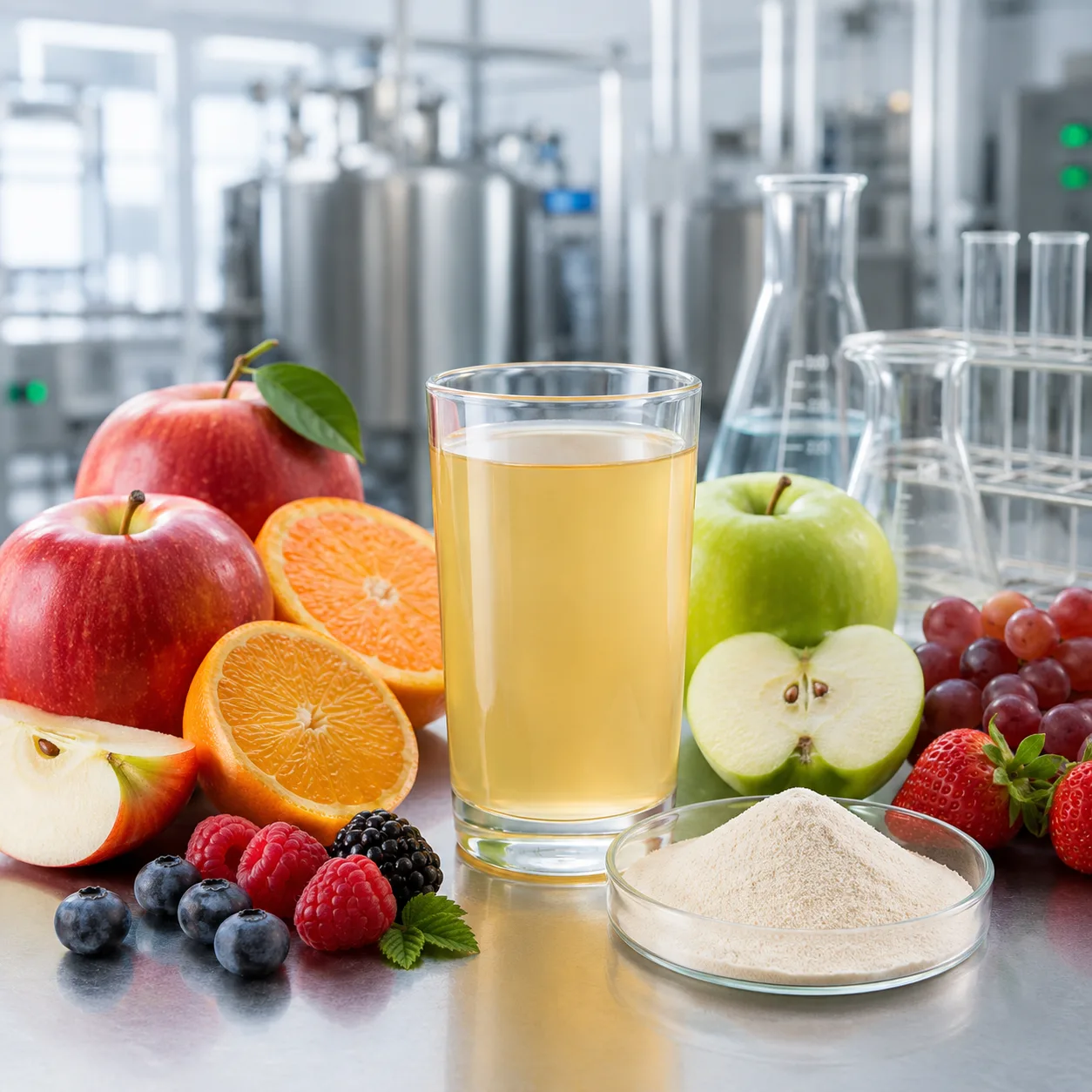
Bright juices depend on how quickly structural polymers relinquish fines and viscosity stops dictating throughput. Tailored biocatalyst choreography supports NTU targets and honest yield comparisons.
Tougher cell walls reward thoughtful pectin and fibre trims so presses surrender liquor without stripping colour discipline or nutrition positioning.
Citrus seasons swing pulp grades and peel chemistry. Dedicated high-PL philosophies align dosing with precipitation guardrails demanded by frozen concentrate and NFC programmes.
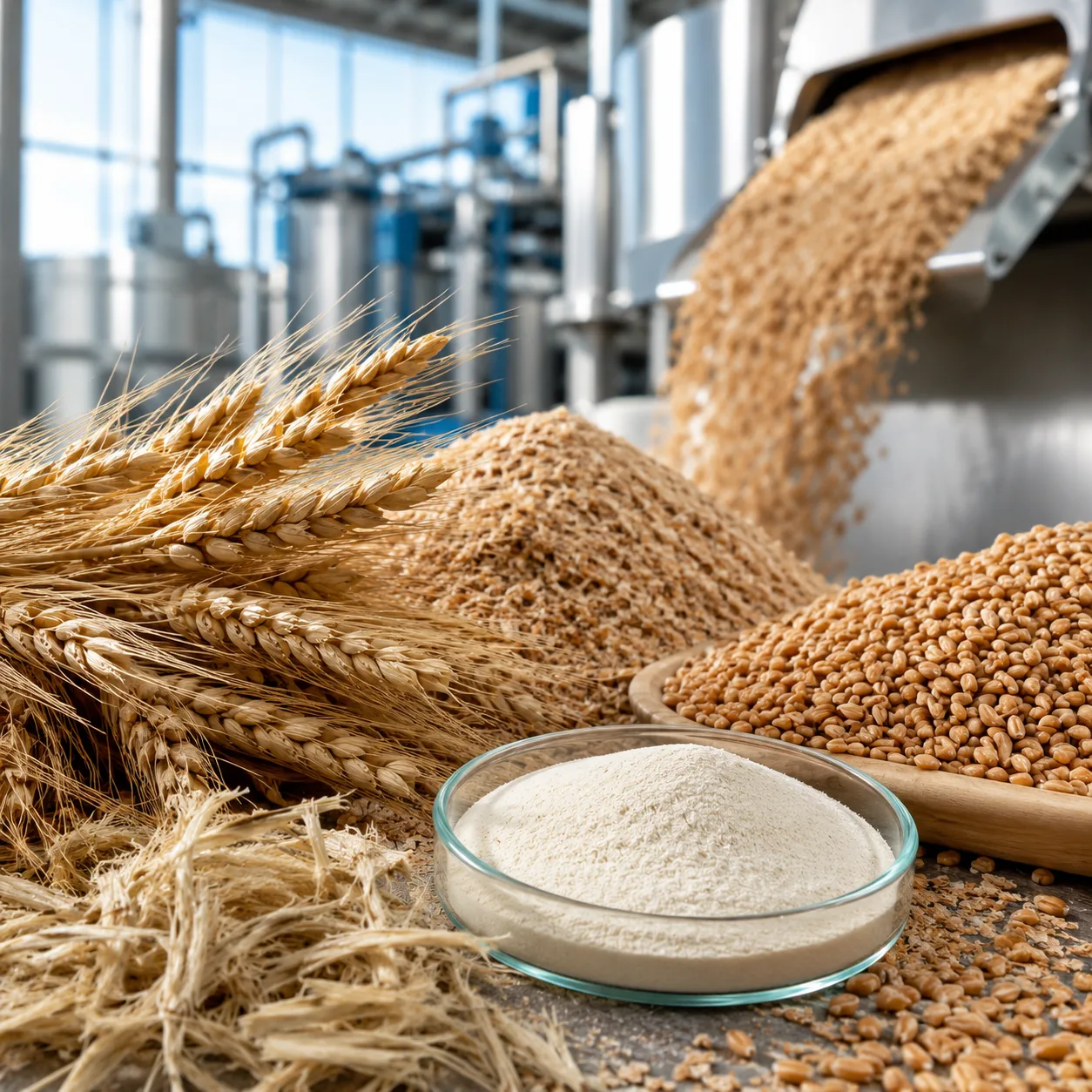
Grape skins release colour (anthocyanins), aroma bound to polysaccharides and liquor bound in pectin networks—orderly hydrolysis supports settling ahead of filtration polish.
Reference data
| Parameter | Specification / guidance |
|---|---|
| Appearance | Amber–brown liquids to tan powders depending on SKU; COA-aligned colour descriptors for release. |
| Activity profiles | Formulated toward fruit matrices—pectin lyase-, PG-, PME-balanced or speciality citrus grades per dossier. |
| Typical dosage guidance | Application-specific dosing ladders negotiated after receipt analytics—not generic spreadsheets. |
| Operational pH & temperature | Hold windows framed around varietal gelatinisation / maceration reality; validated per commercial grade. |
| Solubility & handling | Liquid grades miscible/dispersible per SOP; powders engineered for repeatable plant dispersion behaviour. |
| Storage | Cool, dry storage extends potency—follow Antozyme label storage, allergen statements and HSE cards. |
Partner workflow
Antozyme aligns holds, dosing hardware and KPI contracts so seasonal varietal swings do not obsolete your dossier overnight.
Raw material prep
Sorting, washing and milling or slicing keyed to maturity, varietal solids and sensory guardrails.
Enzyme holds
Controlled time, temperature, pH and shear so target polymers hydrolyse without sensory drift.
Pressing / extraction
Press, belt or decanter trains tuned once rheology frees mechanical headroom responsibly.
Clarification & polish
Centrifuges, membranes and finisher filtration sequenced mindful of enzyme–fining interplay.
Packaging readiness
Heat treatment, microbial hurdles and dissolved-oxygen posture decide residual enzyme narratives before label commitments.
Documentation-first enzymatics that respect food safety escalation—not vanity bench curves divorced from pomace realities.
FAQ
Plain-language answers teams expect before approving enzyme capex.
Most clarification pathways centre on pectinases to tame viscosity and cloud precursors. Cellulase–xylanase blends support stubborn fibre burdens, alpha-amylase addresses starch-linked haze in certain fruits—the stack follows your assays, not brochure defaults.
Explore further
Navigate adjacent application hubs with the same disciplined technical onboarding.
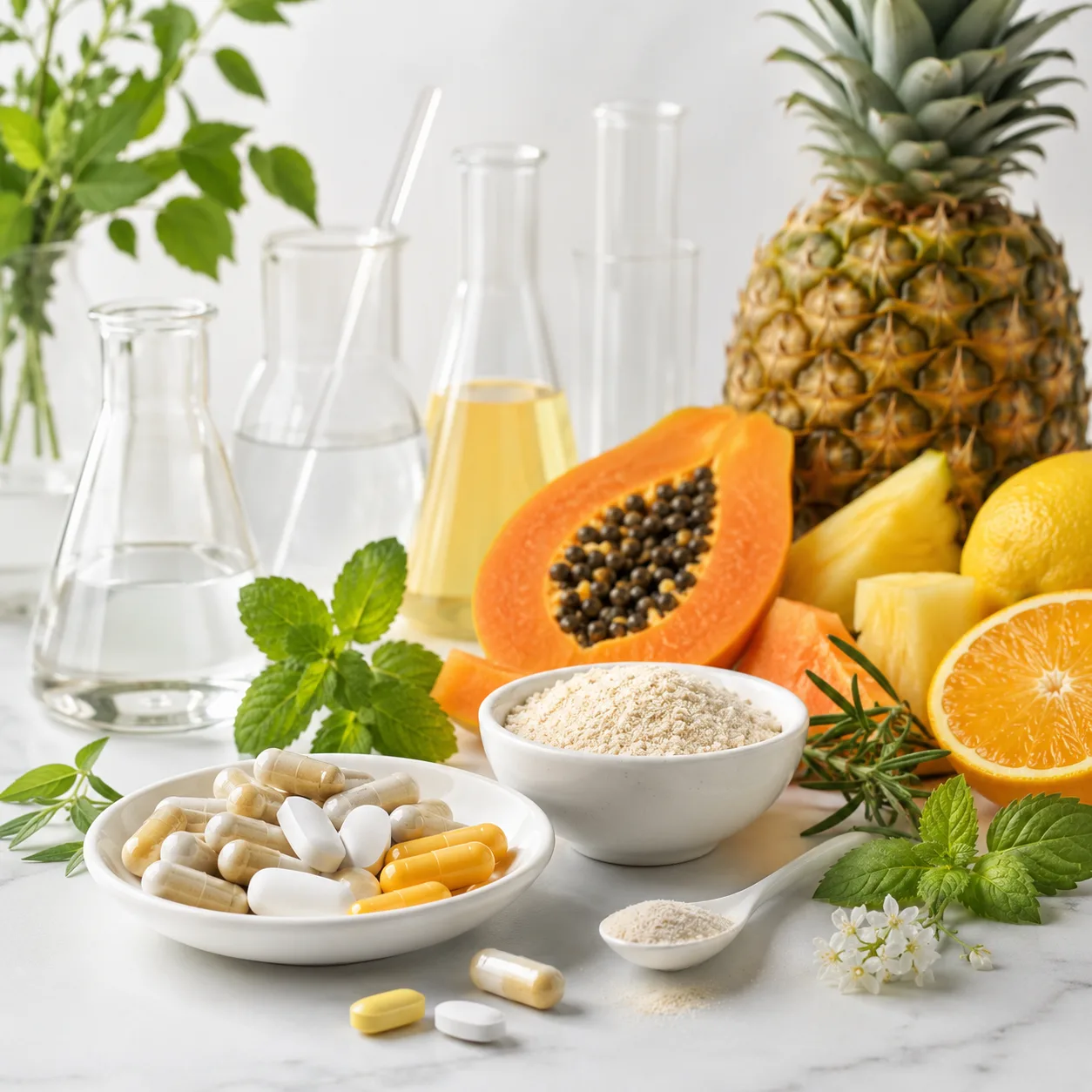
Fermentation-pure microbial enzymes for supplements and functional foods—digestive wellness, bioavailability and gluten-free / vegan / non-GMO positioning with QA-ready documentation.
View detail
Grain-to-glass enzyme programmes—fungal amylase, high-temperature liquids, glucoamylase, beta-glucanase and protease clarity routes—for extract, viscosity control and bright-beer stability.
View detail
α-Amylase, dextranase and invertase portfolios—plus glucoamylase depth—for starch-aware juice handling, contaminant dextran relief and specialty invert syrups with documented factory KPIs.
View detailFungal α-amylase, lipase, glucoamylase, glucose oxidase, phospholipase, xylanase, cellulase, maltogenic amylase and protease routes—for bread, buns, rolls, frozen dough and biscuit lines—with clean-label discipline.
View detailShare assays, equipment context and KPI language—Applications will tailor holds, carriers and trial ladders.