Enhanced alcohol yield
Maximise the conversion of fermentable sugars into alcohol—increasing throughput and titre when mass balances corroborate the uplift.
QUALITY OVER EVERYTHING

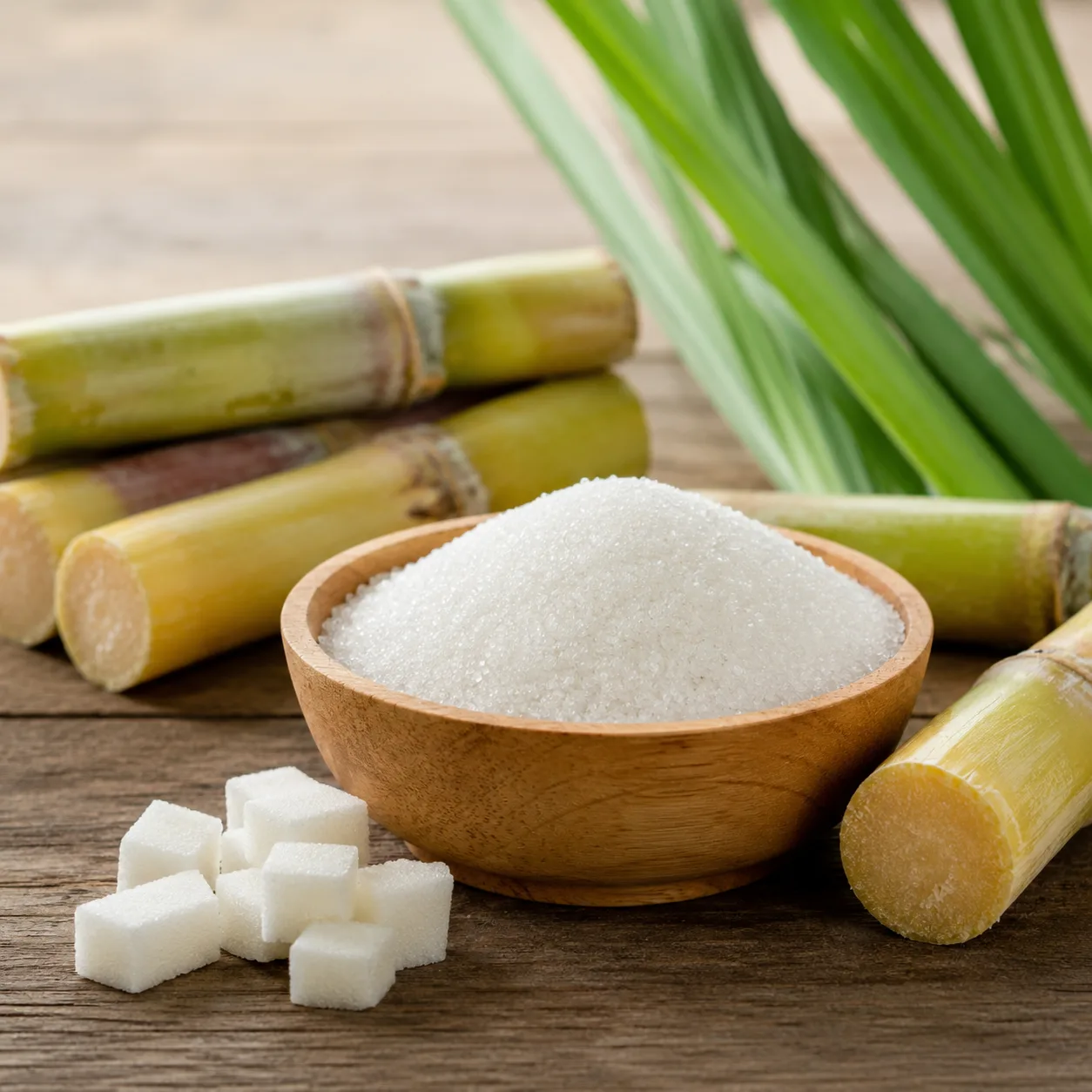
Our specialized solutions for molasses and cane juice distilleries are designed to enhance fermentation efficiency, increase alcohol yield, and optimise overall process performance.
Overview
Our specialized solutions for molasses and cane juice distilleries are designed to enhance fermentation efficiency, increase alcohol yield, and optimise overall process performance.
Our range of enzymes for molasses and cane juice distilleries is formulated to address the unique challenges of these feedstocks—maximising conversion and profitability whenever trials substantiate dosing economics.
The ethanol industry, particularly distilleries based on molasses and sugarcane juice, is undergoing a significant transformation driven by advances in biotechnology. Among these, enzyme technology has emerged as a key enabler in improving process efficiency, enhancing fermentation performance, and maximising ethanol yield in a sustainable and cost-effective manner.
Molasses, a by-product of the sugar industry, and fresh cane juice are widely used as primary feedstocks in alcohol production. While both are rich in fermentable sugars, they also present inherent challenges such as variability in composition, presence of inhibitory compounds, and fluctuations in fermentation efficiency. These factors can directly impact yeast performance and overall ethanol recovery.
Enzymes play a crucial role in addressing these challenges by acting as highly specific biological catalysts that facilitate the breakdown of complex organic components into simpler, fermentable forms. Through targeted enzymatic action, key biochemical reactions within the fermentation process are optimised, leading to improved sugar availability, better nutrient balance, and more stable fermentation conditions.
In molasses and cane juice distilleries, enzyme technology is primarily used to enhance the conversion of sucrose and other complex carbohydrates into readily fermentable sugars such as glucose and fructose. Additionally, specialised enzymes help in reducing viscosity, improving substrate handling, and supporting yeast metabolism by releasing essential nutrients.
The integration of enzyme systems into distillery operations represents a shift toward more controlled and efficient bioprocessing. It not only improves ethanol productivity but also contributes to reduced fermentation time, lower operational bottlenecks, and enhanced process consistency across batches.
As the global demand for bioethanol continues to grow, enzyme technology is becoming an essential component in modern distillery design and operation. Its application in molasses and cane juice-based systems reflects a broader move toward sustainable industrial biotechnology where precision, efficiency, and resource optimisation are central to production strategy.
Maximise the conversion of fermentable sugars into alcohol—increasing throughput and titre when mass balances corroborate the uplift.
Optimise fermentation kinetics—supporting tighter cycle metaphors where substrate and micronutrition—not sanitation alone—were the bottleneck.
Improve enzyme efficiency versus overtreatment economics—trimming viscosity, stalled attenuation narratives and wasted raw carbohydrate.
Value-add
We offer comprehensive R&D services to help you optimise distillery processes and develop innovative enzyme solutions.
Identify improvement areas and roll out dosing, conditioning and KPI monitoring plans aligned to your distillery telemetry.
Co-develop enzyme systems and booster blends anchored to assays—not catalogue stacking guesses.
Compositional testing and fermentation benchmarking that keep trials honest from bench to historian.
Applications engineers fluent in cane chemistry, titre targets and escalation when aberrations emerge mid-campaign.
Operational impact
Multi-enzyme Alcohol Booster concepts for molasses and sugarcane juice routes—invertase, carbohydrases, pectinase, protease and phytase assists framed around yield, viscosity and steady fermentation.
Invertase and carbohydrase assists widen the pool of yeast-metabolisable hexoses when sucrose alone feeds sluggish uptake or osmotic stress.
Pectinase and viscosity-aware programmes support clarified, pump-friendly substrates—especially relevant to whole-juice channels.
Amylase and glucoamylase modules earn their place when starch rides in with molasses or milling losses—never assumed universal.
Protease and phytase options framed around FAN and phosphorus realities—not anonymous “miracle growth factor” claims.
Multi-enzyme synergy hypotheses tuned to variable feedstock seasons so KPI dashboards stop blaming yeast alone.
Powder blends ratio-engineered for cane corridors—with inquiry-led customisation when chemistry demands drift.
Featured programme
Molasses and cane juice routes anchor on one integrated booster concept—combining carbohydrases, invertase, pectinase and nutrition assists when assays prove the uplift.
Product detail
Integrated Alcohol Booster Powder systems combine carbohydrase, invertase, pectinase, protease and optional phytase depth once your distillery fingerprint proves them—lifting yield, shortening cycles and smoothing seasonal swings when trials agree.
Alcohol Booster is an advanced formulation typically consisting of a synergistic blend of key industrial enzymes, including Amylases, Proteases, Glucoamylases, Invertases, Pectinases, Cellulases, Hemicellulases, Pullulanase, and Phytases. Each enzyme plays a specific role in optimising different aspects of the fermentation process.
Amylases and glucoamylases assist in the conversion of starches and dextrins into glucose, while invertase facilitates the breakdown of sucrose into glucose and fructose. Pectinases improve juice clarification and reduce viscosity; cellulases and hemicellulases help release trapped sugars from plant fibre residues. Proteases enhance nitrogen availability by breaking proteins into amino acids, and phytase improves phosphorus release—supporting overall yeast health and fermentation stability.
Through integrated enzymatic action, Alcohol Booster helps ensure a steady supply of fermentable sugars, improved substrate utilisation and enhanced microbial efficiency throughout the fermentation cycle—supporting faster, steadier ethanol production narratives where trials validate the deltas.
As distillery operations evolve toward greater efficiency and sustainability, enzyme formulations such as Alcohol Booster are becoming essential tools in modern bioprocessing—maintaining optimised performance even under variable feedstock conditions.
Key benefits
Receipt discipline
Seasonal swings in Brix, ash and salts change every hypothesis. Antozyme maps bench fermentation ladders to your KPI contracts—lifting titre when carbohydrate access or viscosity truly drives drag, while flagging when sourcing must lead.
Reference data
| Attribute | Benefit |
|---|---|
| Enzyme activity | High activity levels for efficient conversion of substrates relevant to cane receipts. |
| Stability | Excellent stability under practical distillery fermentation and conditioning envelopes. |
| Purity | High purity for consistent, audit-friendly performance batch to batch. |
| pH tolerance | Wide tolerance where formulation supports flexible process design narratives. |
| Temperature stability | Stable at elevated temperature windows pertinent to liquefaction or conditioning tiers. |
| Ease of use | Designed for disciplined dispersion and integration with existing dosing hardware. |
Applications
Molasses quality ladders, cane juice throughput and ethanol recovery—with inhibitor honesty and laboratory gates upfront.
Ash, colour bodies, salts and retrograded sugars alter osmolality and yeast stress; enzymes cannot erase gross impurities but can sharpen carbohydrate accessibility and nutrient spectra when trials prove incremental glucose or fructose flux.
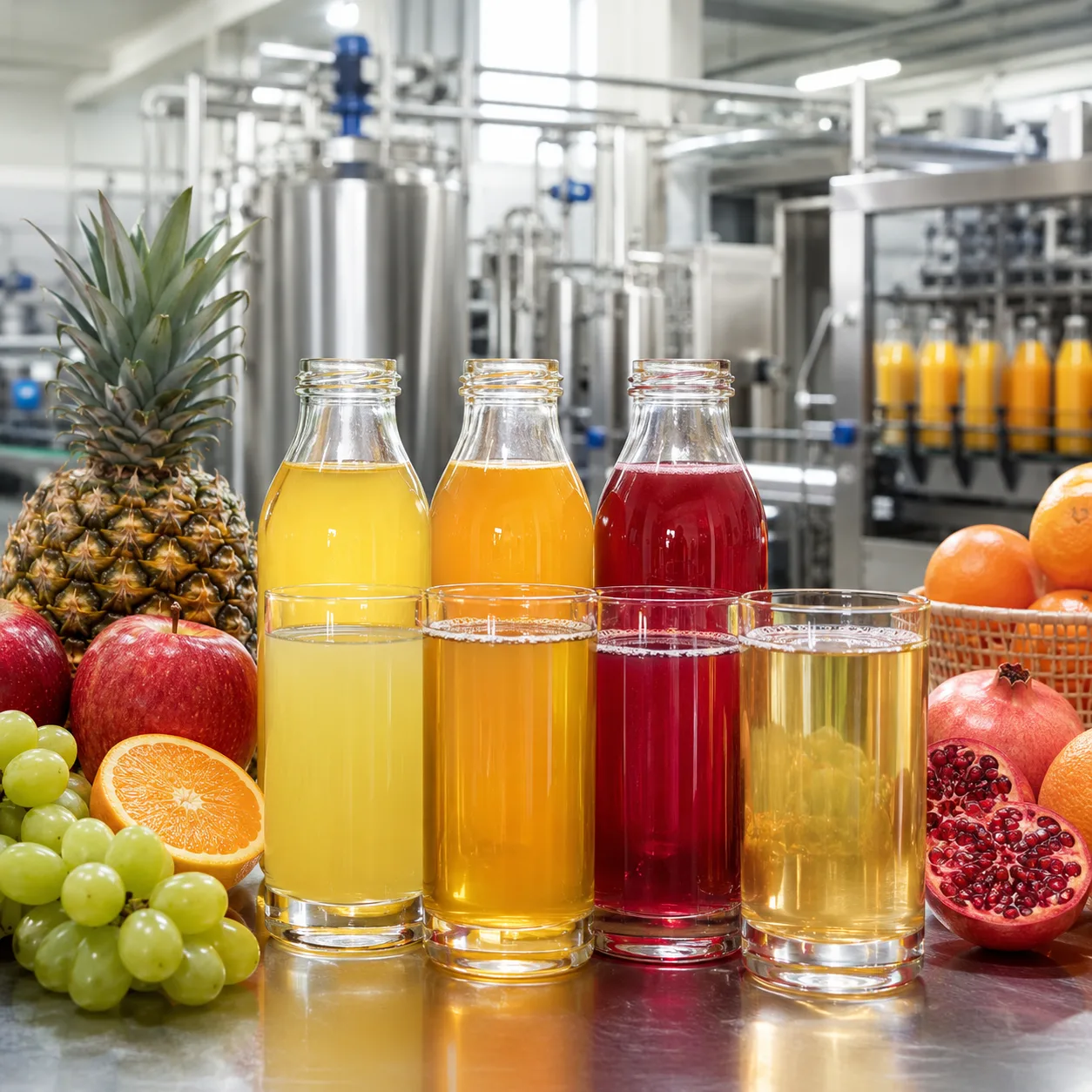
Invertase assists sucrose hydrolysis toward glucose and fructose; selective carbohydrases and pectinase may reduce rheological drag in juice streams while amylase/glucoamylase pairs address starch residues occasionally entrained with molasses.
Synergistic powders combine the enzyme modules your fingerprint demands—supporting faster cycles, improved substrate utilisation and steadier microbial performance when mass balances corroborate uplift.
Focus areas
Optimise fermentation and pursue higher alcohol yields from syrup receipts—without ignoring inhibitor honesty.
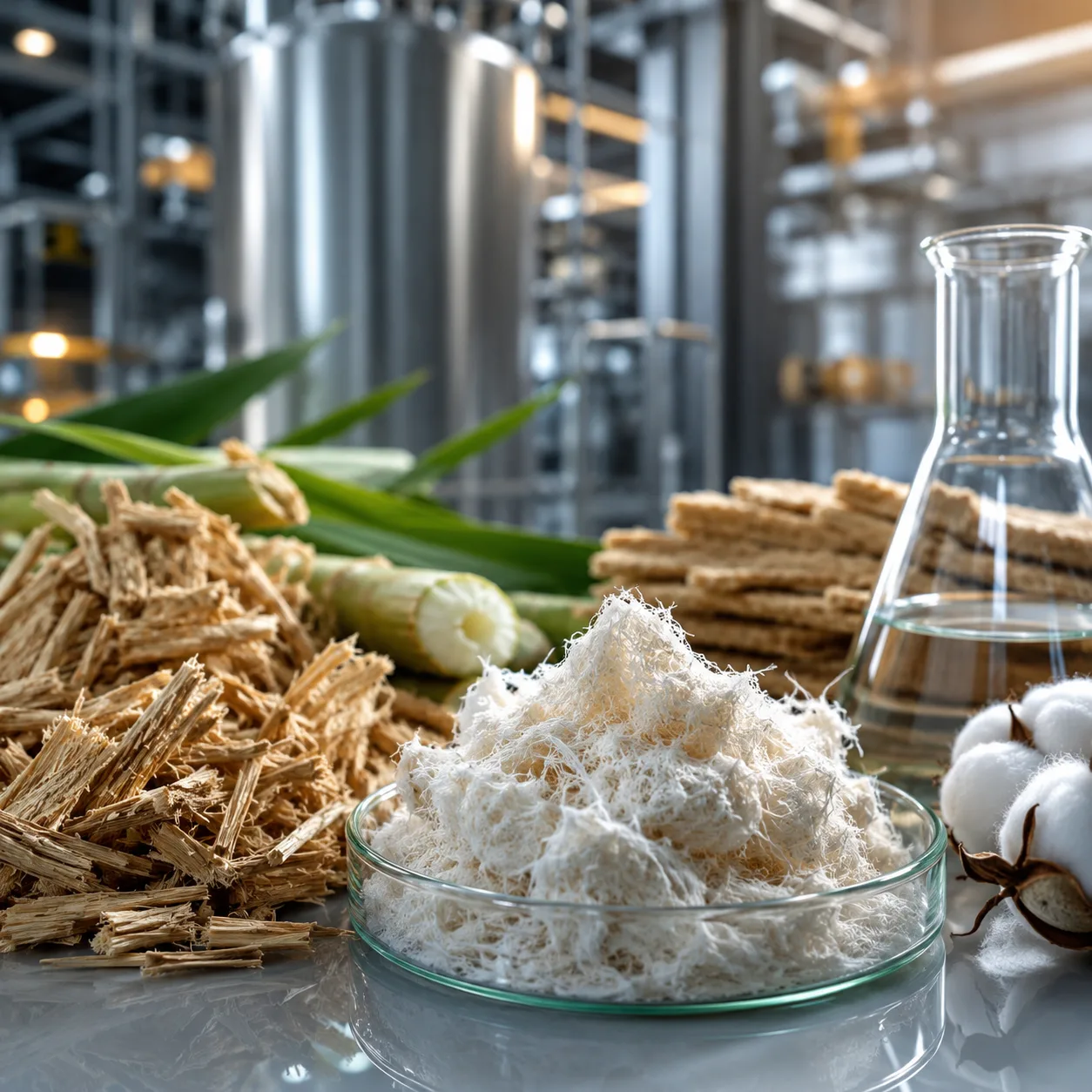
Support fresh-juice channels with viscosity, clarity and sucrose choreography matched to fermentation telemetry.
Lift consistency across batches—balancing congeners, titre targets and distillery brand guardrails.
Variable receipts deserve partners fluent in cane chemistry—not recycled grain metaphors alone. We align bench data, historian KPIs and supply discipline.
Documentation-minded applications support for molasses receipts, cane juice clarity goals and titre commitments you can defend in QA forums.
FAQ
Straight answers covering cane receipts, dosing discipline and fermentation economics.
No—many plants run successfully on chemistry and yeast discipline alone. Enzymes earn budget when assays show entrapped starch, problematic viscosity, sucrose uptake limits or nutrient constraints that pilots prove enzyme-responsive.
Explore further
Navigate adjacent application hubs with the same disciplined technical onboarding.
α-Amylase, dextranase and invertase portfolios—plus glucoamylase depth—for starch-aware juice handling, contaminant dextran relief and specialty invert syrups with documented factory KPIs.
View detail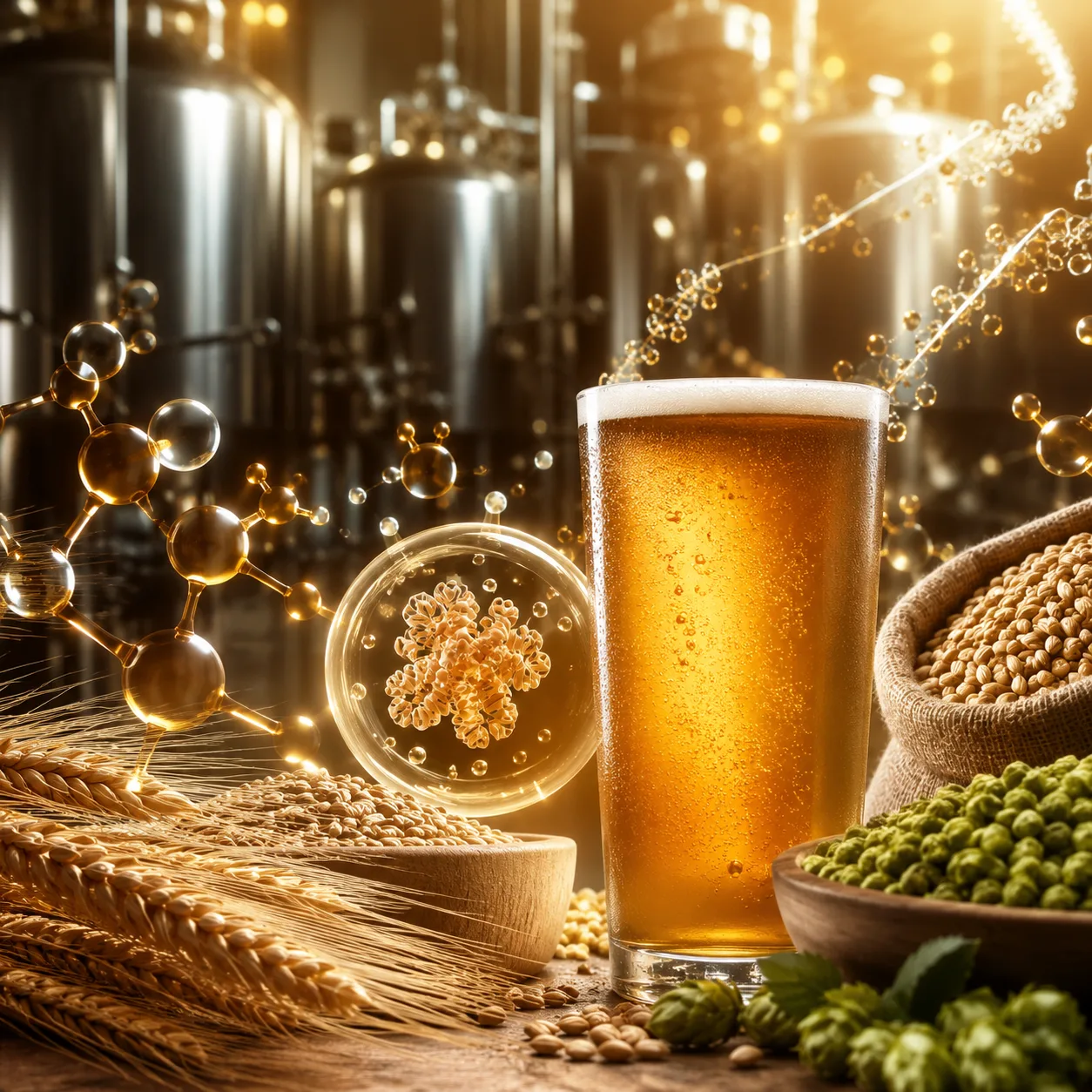
Industrial α-amylase and glucoamylase programmes for starch-based ethanol—liquefaction through saccharification—with yield, energy and fermentation stability framed honestly.
View detailThermostable liquefaction amylase, glucoamylase saccharification and synergistic multi-enzyme alcohol booster concepts—for starch-rich grains, robust fermentation and consistent spirit KPIs.
View detailEnzyme programmes for clearer juices, stronger extraction, filtration-friendly streams and disciplined vegetable processing—from bench trials to seasonal scale-up.
View detailContact us to discuss cane receipts and discover how our enzyme solutions—including Alcohol Booster concepts—support your titre and throughput targets.